Let's look at the gap between the Industrial and digital revolutions. We'll also see how the Group managed their transformation during this change. The first revolution was mankind's harnessing of agriculture. The shift from a mainly agricultural society to one that embraced machines and automation marked the second revolution. This change replaced many handcrafted products and goods that were common before. The third is the digital revolution. This ushered in what has become known as the information age. This phase began in the late 19th century. It picked up speed when the transistor was invented. Later, the integrated circuit helped it grow even more. The Grass Valley Group started when transistors began changing electronic circuitry. Dr. Hare and Bill Rorden mastered the transistor early. Because of this, the Grass Valley Group never sold a product with vacuum tubes. Another major player in electronics was Sony. They also committed early to solid‐state technology and entered the U.S. market soon after the Group began.
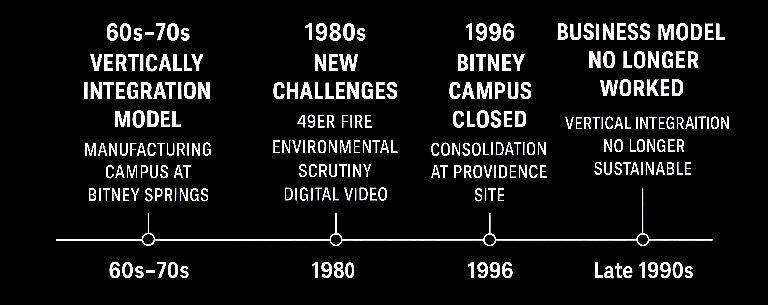
The Group, now under Tek management, still rose in the high‐end television production equipment industry. This rise manifested itself in the number of employees and real estate the company occupied. Today, some companies can grow financially large without hiring many employees. Back in the 60s and 70s, that was nearly impossible. To grow a company like Grass Valley, they needed more workers. This way, they could produce more products as sales went up. Either by contracting some of the work out to others or by hiring people to do the work "in house." Grass Valley evolved using the second approach. The company was highly vertically integrated. It managed nearly all stages of production.
It made sense that the Group took this approach when it did, for many reasons. One reason was timing. When the company first entered the electronics market, the equipment and its components were much simpler to make and assemble. A basic machine shop, some assembly stations, or a rudimentary assembly line where circuit boards could be stuffed with parts, soldered, and installed in a case or enclosure. Finally some test equipment to make sure the assembled product was working correctly.
When the group began shipping products, they didn't have to make or etch circuit boards. They used boards with continuous traces. They manually cut these traces to organize the components into the needed circuits. None of the electronic components back then had any complex mounting requirements. Frames and enclosures were constructed using custom aluminum extrusions sawed into short lengths on a chop saw. This approach to enclosures and cases lasted into the 90s. This was long after circuit boards and control panels had become more complex.
Many smaller companies that grew up around the Grass Valley Group remain vertically integrated. They produce what's known as "low volume, high mix." Historically, gear for broadcasters and high‐end TV users was very costly. As such, it had a limited market. Most of the gear these folks buy isn't stand‐alone, like a camera or microphone. Instead, it works with other equipment to form a system.
That system includes various gear installed to help users complete a specific workflow. That is, a series of tasks performed both sequentially and in parallel to deliver video programming to the viewer. A station that does a lot of news will have an entirely different workflow than a movie channel. Sports channels will function in unique ways. They'll have people handling different tasks than those on talk show channels.
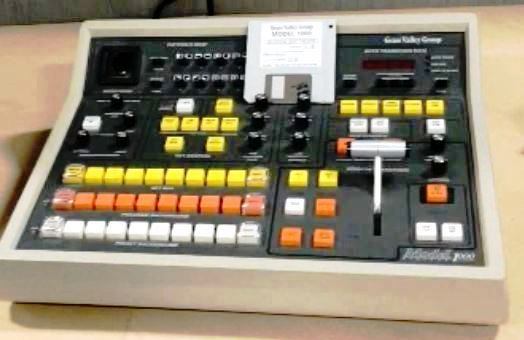
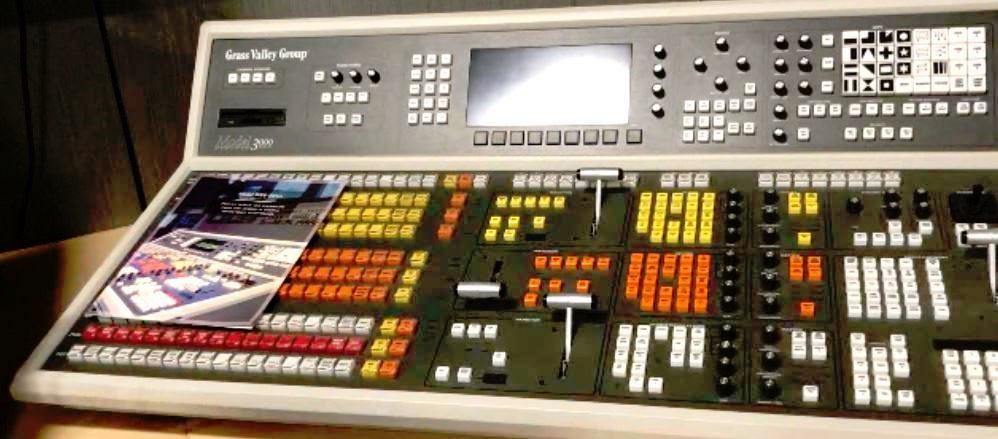
In this industry, equipment must often be highly configurable to meet various demands. A model X video switcher is often made for different customers. One might need it for 20 video sources, while another needs it for 100. Video and audio come in many types. Today, they outnumber the flavors at Baskin‐Robbins.
Vertical integration works well when supply chains are unstable. This was true right after WWII and before just‐in‐time shipping began. Transportation is much more robust today. When the Group started, roads from all directions into the area were 30 miles of two‐lane road through hills and mountains. Even the main road from the town of Grass Valley out to the Bitney Springs site had a one‐lane bridge. Large trucks often had to take a long detour. They would travel an additional dozen miles to approach the site from the other direction.
So, for the first 30 years of its existence, vertical integration made sense for the Group. The Grass Valley Company still manufactures many of its products. However, it no longer does this in the Grass Valley area. We'll explore this in later articles.
Dan Castles, the Group's president in the mid‐90s, said the company looked like a postwar firm when he joined. It was heavily vertically integrated. The first time Dan drove up Highway 49 in the mid‐80s, he was shocked. How could a company of 1,000 people be in such a remote area? Dan was the VP of Tektronix's Video Division at the time. The group had 1,200 people working for it worldwide, 900 in Grass Valley.
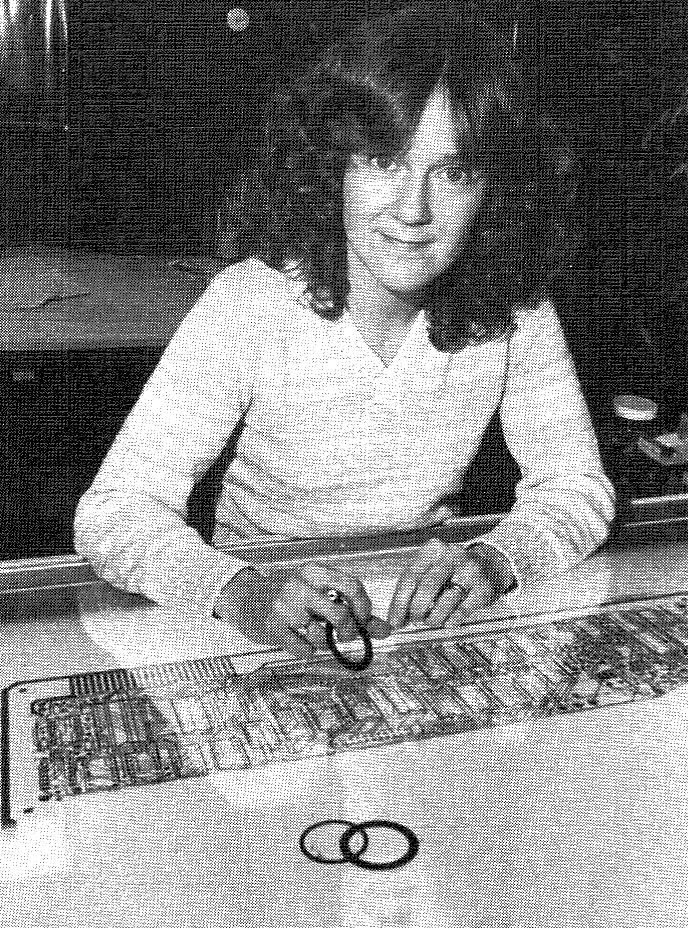
Nestled in the Sierra foothills, the Grass Valley Group adapted by becoming as self‐reliant as possible. At first, the Group received raw materials and parts. Then, through machining, etching, and assembly, they created finished products for sale. As we mentioned, at those volumes, it wasn't economical to outsource any of that in the company's early years. At one point the Group had about 100 people working multiple shifts in its machine shop. Switcher control panels had many cutouts. Most were made by hand for switches and controls.
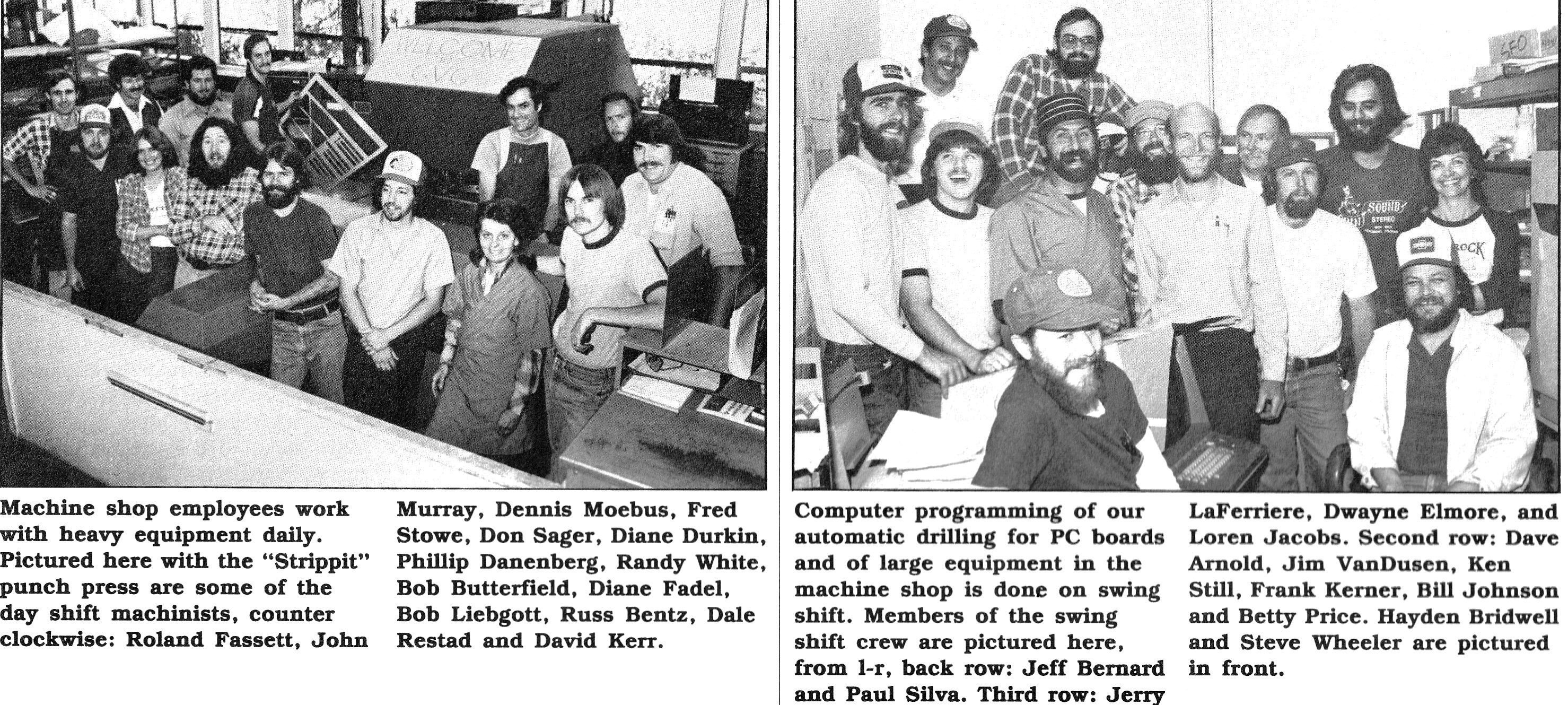
Machining hardware into finished products was a multi‐step process. Raw metal stock usually comes as sheet metal or bars. It is shaped into parts using a lathe, a milling machine, or both. Drilling operations were common in many parts. Milling and lathe processes are similar. However, in a lathe, the part rotates while the cutting tool stays still. With a milling machine, the piece stays still while the cutting tool spins. Often, workers manually de‐burred individual parts. They then bolted these parts together to create larger assemblies. After that, they sanded and painted or etched/anodized them.
Anodizing is an electrochemical process. It turns a metal surface into a strong, corrosion‐resistant anodic oxide finish. Aluminum is great for anodizing. Other nonferrous metals, like magnesium and titanium, can also be anodized.
Even back then, not everything was done in‐house. Any parts that needed to be painted were sent to outside vendors. Raw sheet metal, which forms the outer enclosure, needs to undergo several processes. These include punching, bending, shearing, drilling, and tapping. In addition, these parts would often undergo etch/anodizing or nickel plating processes. Nickel plating provides a combination of corrosion and wear resistance. It can add brightness and luster. Nickel improves adhesion for later coating layers. That's why it's often used as an undercoat for other coatings, like chromium.
By the '80s, the Group was doing nearly all its machining. Most non‐off‐the‐shelf parts were made at the Bitney Springs site, northwest of town. When you make your own parts, you must keep the assembly line stocked. You also need to create replacement parts for products already in use. The Group sorted its parts into three categories. The top grade included items with cosmetic appeal, like operator panels. These were individually packaged in foam. The next‐level parts were wrapped separately. The lowest level might come in paper and plastic, or they could be piled in a parts bin.
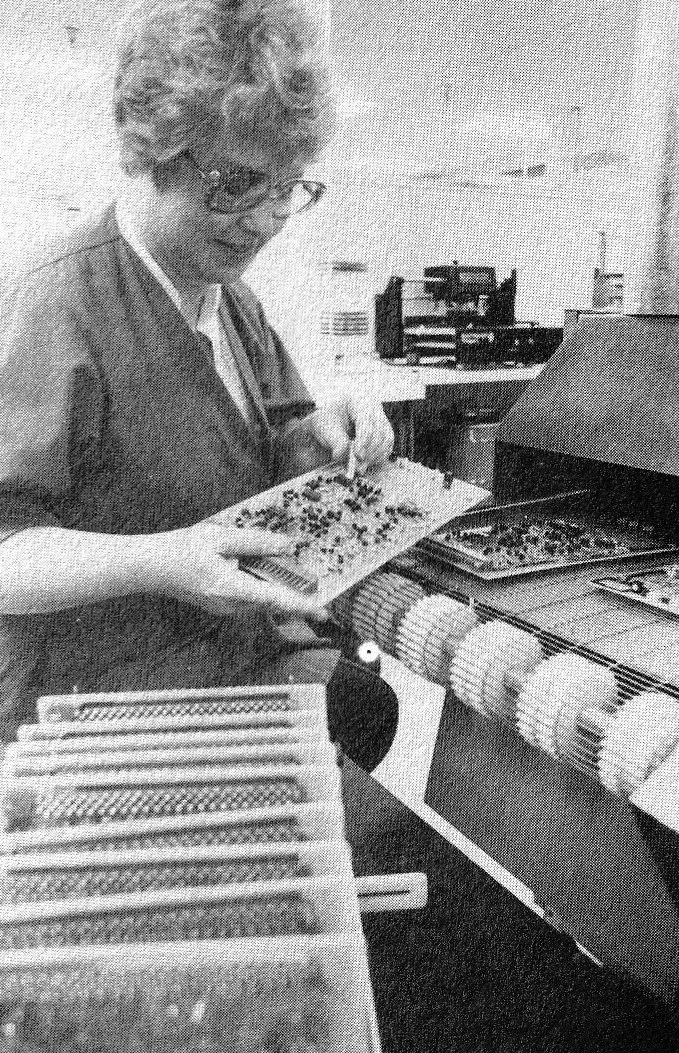
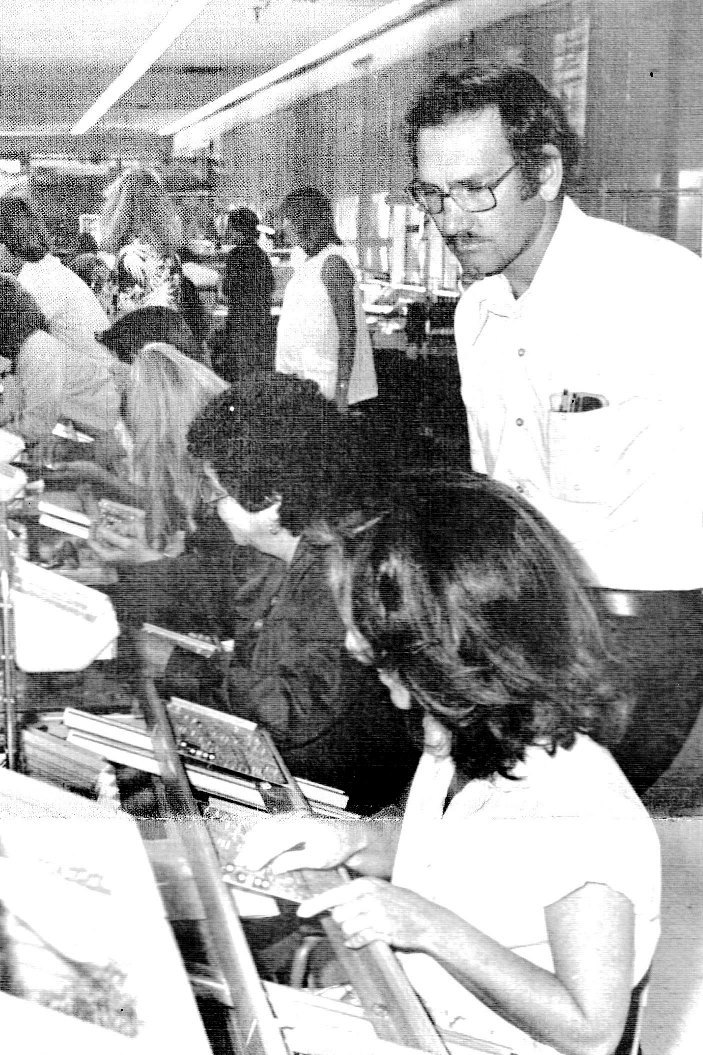
The Group in the early 80s went from assembly lines where a single installer might install all the components on a particular board. Or completely assemble the enclosure for a product to what they called "Flow Lines." Each assembler installs a few dozen components. Then, it moves on to the next assembler. The Group hired an assembly engineer, Larry Hoy, to implement that. The company bought machines to pre‐bend and cut leads. Now, assemblers just dropped these leads into holes in the circuit board. This increased productivity, but for the assembler, the task felt repetitive. They lost pride because the fully assembled board no longer belonged to them.
In early 1982, PCB operations expanded. Tektronix ordered 3,200 PCBs for a new product line in Oregon.
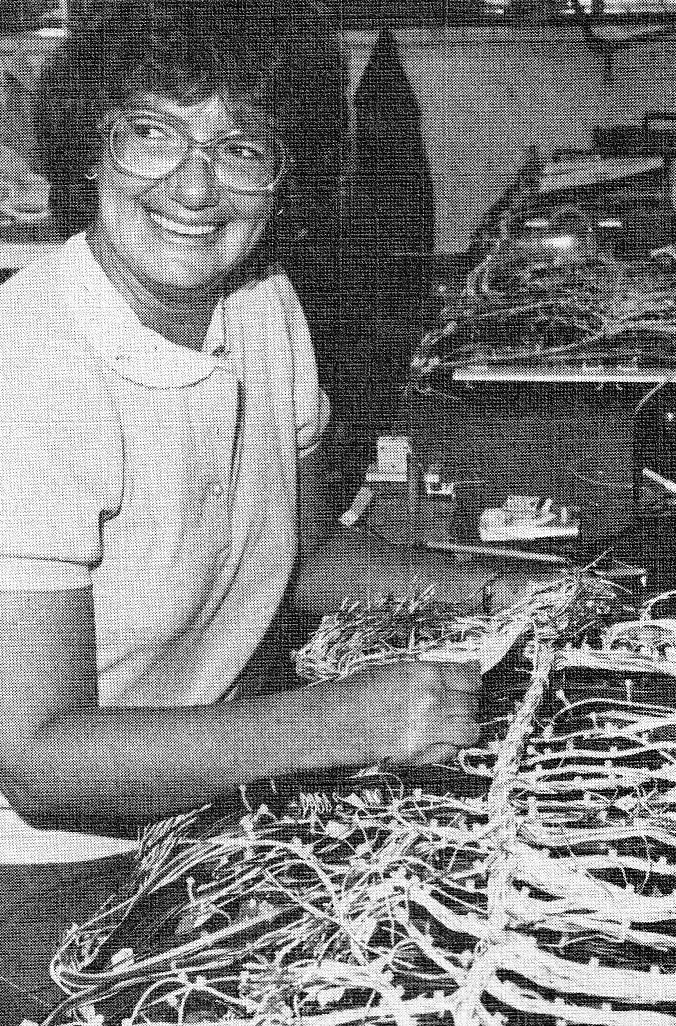
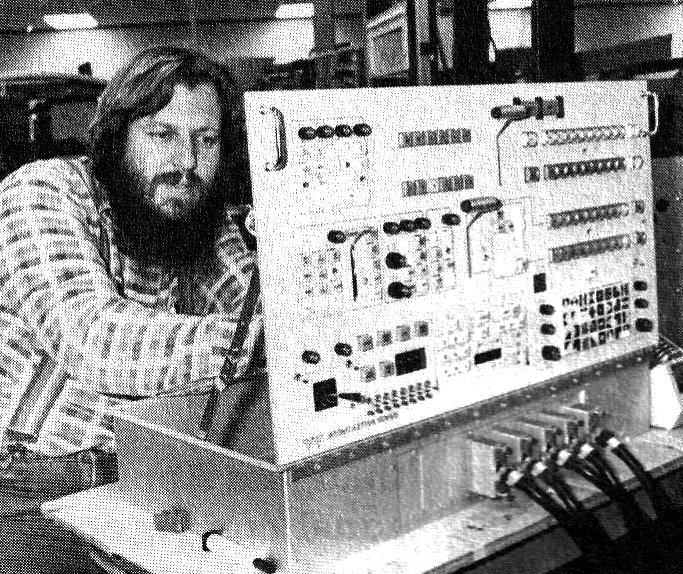
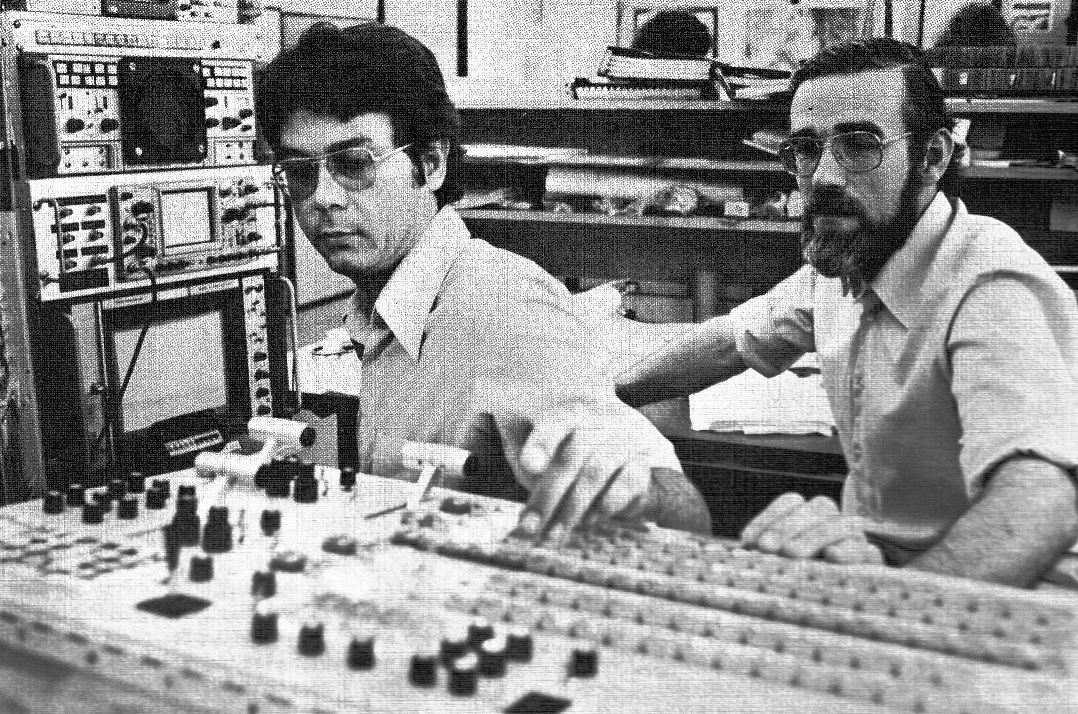
As we'll explore later, the company changed hands and merged with others that made rival products. This shift caused the Grass Valley and Nevada City engineering and manufacturing stronghold to lose ground to global competitors. That was not always the case. After the Group was acquired for the third time by French giant Thomson, its television router division in Salt Lake City moved to Grass Valley. But in later years, the bulk of the work migrated away from the area. By 2015, and the fifth acquisition of Grass Valley, this time by Belden Cable, the last of the manufacturing was moved to Montreal. We'll explore later how this saga unfolded. Each owner brought in new management styles and structures.
While Thomson moved their Salt Lake City router operations to Grass Valley, they also aimed to produce as much as possible in Vietnam. The problem is this is only economical if you make many of something, not a few, like Grass Valley was doing. Building offshore? A few Engineering Change Orders (ECO) can quickly erase any savings.
As we will see through the 80s and into the 90s the vertical integration process worked fairly well for the Group. But not always.
Hence: They needed a facility that was known as Bitney Springs.
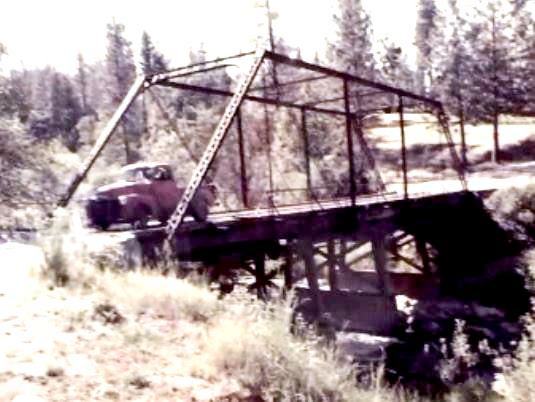
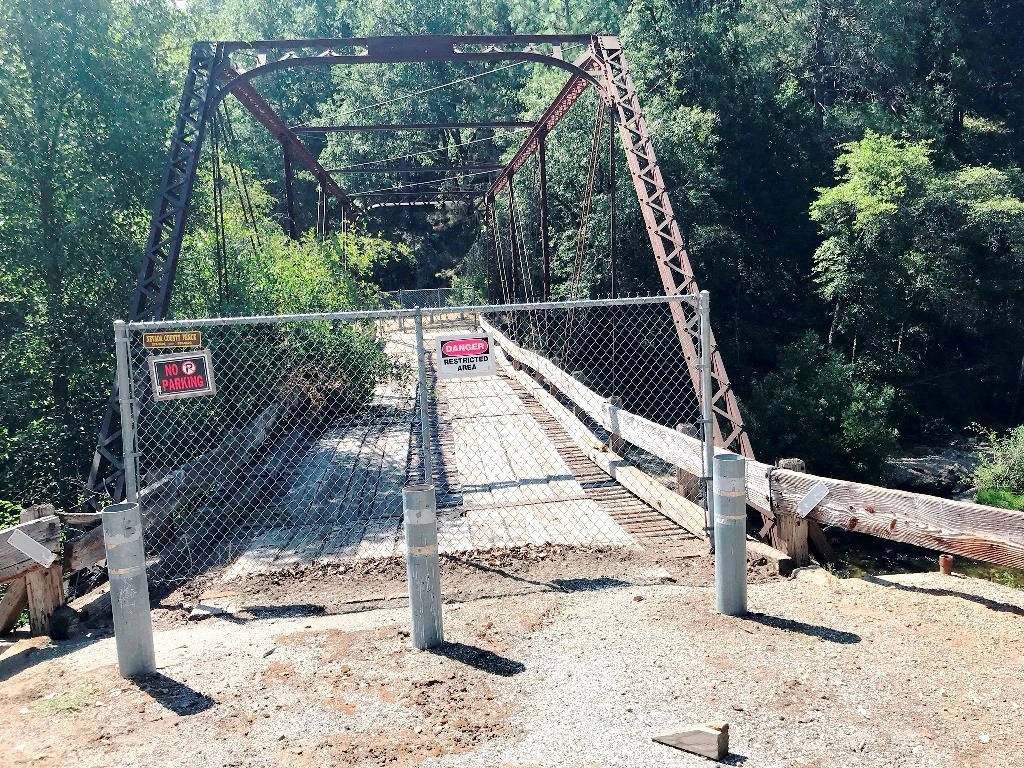
The Bitney Springs site may seem odd now, but it made sense back when the group handled most tasks themselves.
As discussed elsewhere Hare bought 80 acres of property he had discovered back in the early 60s. It had a good view of the Sacramento Valley, and it was at an altitude that allowed it to be above the winter tule fog layer that sometimes hung over the valley. A previous owner apparently had planned some development on the land and had leveled an area that was perfect for a building pad.
The area initially had only single‐phase power. After negotiating with the power company, they added the needed conductor. Now, the site had three‐phase power. The site has natural spring water. The company built a water tank on high ground to store it. This setup ensured good water pressure. They also created a couple of ponds.
The Bitney Springs site has always been at risk for fires. Hare said that if a fire destroyed the trees, he would have to leave. He couldn't bear the emptiness left behind. What did not help was that the site had Manzanita, which burns very hot and is difficult to extinguish. They kept a gasoline‐powered pump with an attached water hose near the lake and the main building. The maintenance crew cleared fire lanes often. This helped reduce the spread of fire. They created a second pond to increase the amount of water available to fight a fire.
Besides the main building, there was an A‐frame house for the Hares on Kentucky Ridge. It overlooks the site and Deer Creek to the south. A guest house was also part of the original structures on the property. Eventually, the guest house was consumed by fire.
At first, building one was everything: administrative spaces, modular testing, and development areas. Included was Dr. Hare's office.
When considering the second building, Hare didn't want to remove any trees. So, he put an option on an adjacent property that was an open field, which had been used for cattle grazing. Building two became everything switchers at first. Eventually building two was the model shop for prototypes and technical arts (manual publication).
Building three was shaped like a flat‐bottomed U. The left side was the plating shop. The flat bottom was the machine shop, and the right side was assembly. After building 9 was finished, they fixed the left side. The plating chemistry had damaged the concrete floor. Then, they set up the CAD computer there. At the time CAD was composed of Intergraph graphics terminals and a VAX central computer. This was long before the advent of the PC and Sun and Silicon Graphics workstations. Later, Intergraph played a larger role in the Grass Valley story. The bottom of the U was now hybrid manufacturing, and the right side was R&D.
By the late 60s, many TV stations began choosing Grass Valley gear alongside RCA, GE, and other big brands for their equipment. Growth was such that there were four buildings by 1969. The site expanded to 120 acres, nestled among the trees. It resembled a college campus more than an industrial park. A lot of this growth was from the sale of video switchers, which then comprised over half of the company's sales.
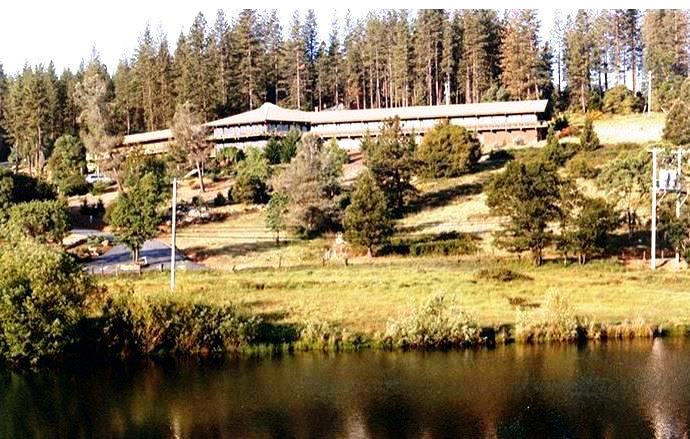
In 1976, building four was built. Production switchers and routers moved to that building. It was the stateliest building on the campus and was the center of gravity for the campus for a long time. It made a great initial statement as you drove up through the main entrance. Sadly, today it is closed and not used by the current site occupants due to internal mold issues.
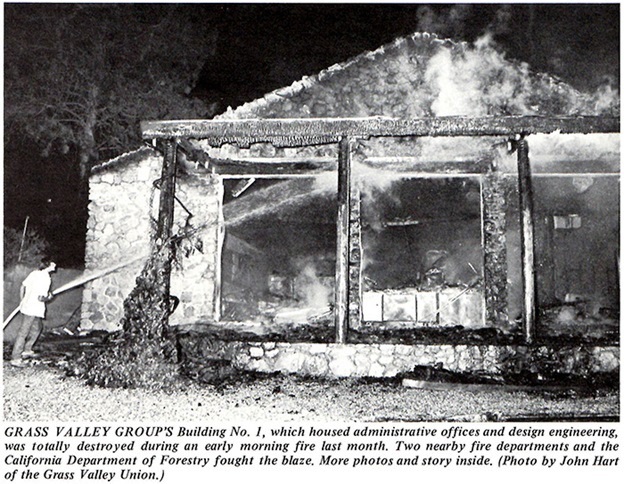
Building five was built in a hurry after building one burned down on August 1, 1977. Buildings 5, 6, and 7 were all metal buildings.
What was in building one was moved initially into Dr. Hare's house, then into building 7 when it was completed. Building 7 was quickly constructed using shredded paper mixed with boric acid for fireproofing. They added glue and sprayed it inside the metal structure for insulation. Heat in the building was open radiators not vented to the outside. Company engineer Jim Michener walked in, looked up and said, "You know it's going to rain in here." The gas heaters produced water vapor that condensed in the insulation. He was right; it did rain in the building on occasion. The building had heating issues over the years. Early video routers were assembled in building 7. Eventually, building 8 housed the executive offices.
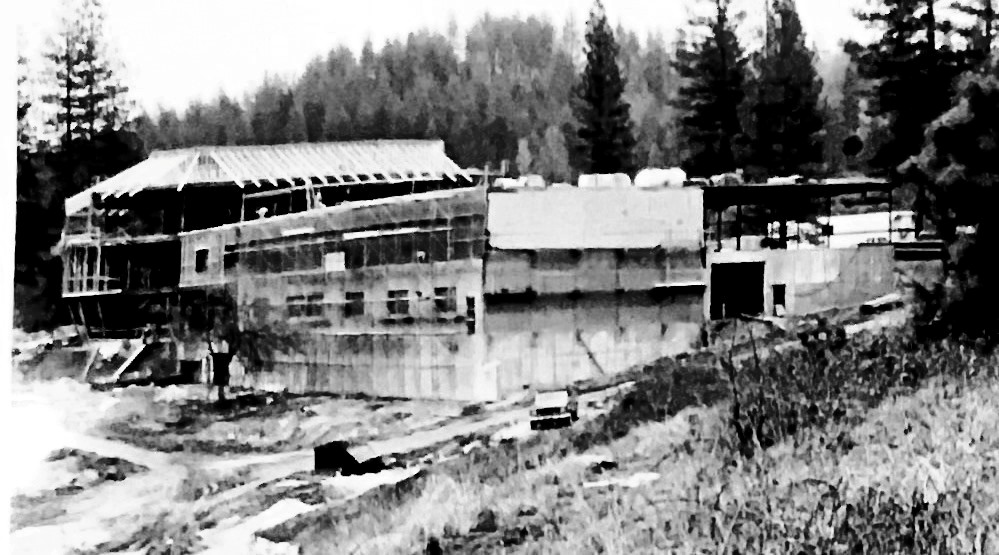
Building 9 was next after 8; actually, 8 and 9 were practically built concurrently. Building 9 was started in 1979. But it was not finished until the beginning of 1981 due to an electrician's strike. The building was the site's largest at 76,500 sq ft. PCB fab moved to building 9 first. Switchers and routers moved into 9. The building also had several key functions. It hosted systems assembly and test, the machine shop, production control, and admin. The building at one time hosted more than 400. Until now, switcher control panels were manually cut using a template, and finished by hand. With the move into 9, CNC was introduced to speed up switcher panel construction. The building was the first to have its own backup power. It also featured a complex HVAC system controlled by pneumatic solenoids. Sadly, as operations started winding down at the site, this building was one of the first to empty out.
The machine shop held out in building 9 until the 90s when it was sold off. The company that bought the machine shop ended up buying the entire Bitney Springs site. Chuck Conners was running it. Metals, at some point, just became a tough commodity to be in.
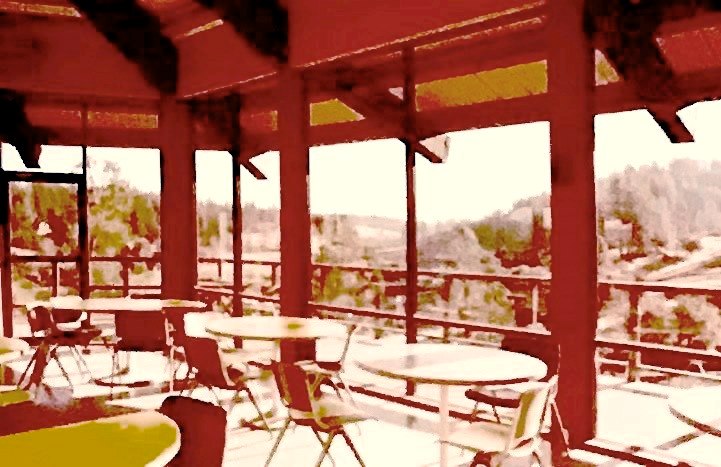
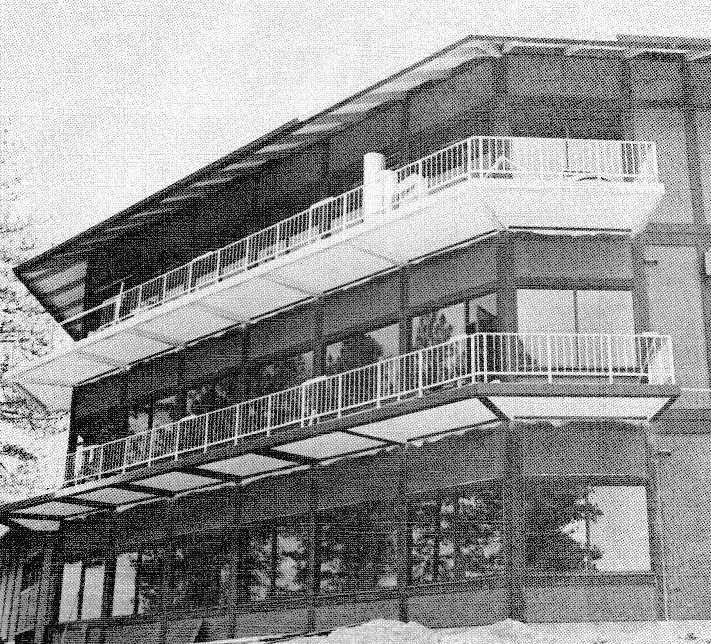
In 1988, there were 1,000 people on the Bitney Springs site. There was only one way in from Grass Valley. At the time, the group was producing $30 million of income on a fire‐prone ridge.
On the ominous date of Sept. 11, 1988, the idyllic site was no longer that idyllic. A little after 9 a.m., what became known as the 49er Fire started. The name came from the highway. It started near an abandoned house that was called home by a vet who was down on his luck. It started north of the South Yuba River and was quickly driven to the southwest by gusty winds. By the time it was under control on Sept. 13, the fire had burned 33,700 acres, which is 52 square miles. It also destroyed 312 structures. This included 148 homes, with 15 being Group employee residences. The damage extended to 89 vehicles and 17 boats as well. About 3,200 firefighters battled the blaze for over a month. They used 285 engines, 65 dozers, 76 hand crews, 12 air tankers, and 8 helicopters to fully extinguish the fire.
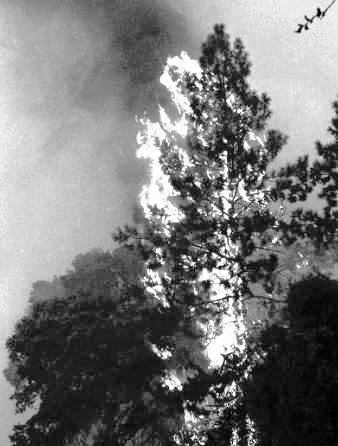
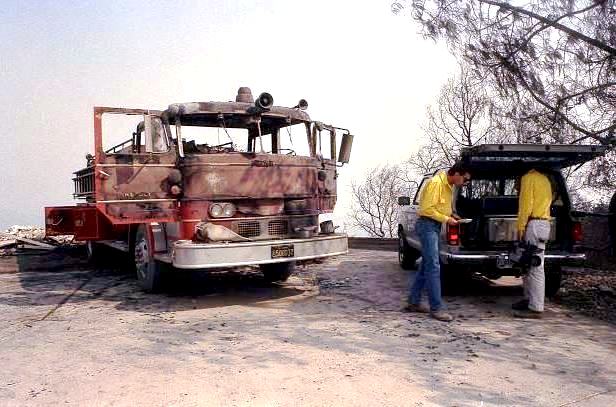
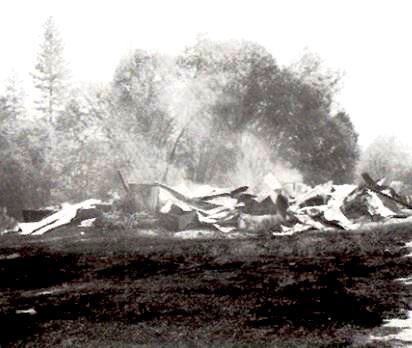
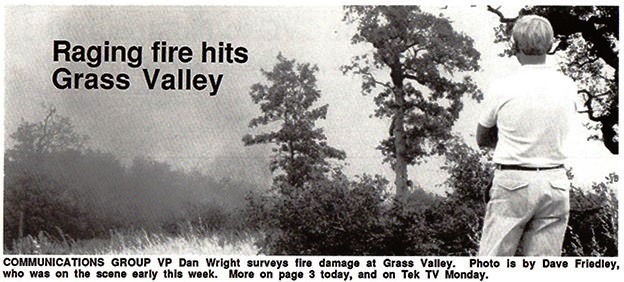
At the Bitney Springs site, the fire burned 150 acres, about half of the area. It caused $500,000 in damage, matching the company's deductible. It leveled two small buildings. The fire threatened many buildings on the site, but they survived. They had a pink coating of fire retardant from air drops. The suppression costs were about $7.5 million. Total losses were around $22.7 million in dollars from over 30 years ago. At the time, the 49er Fire was the third most destructive fire in the state of California. Today it is not even in the top 20.
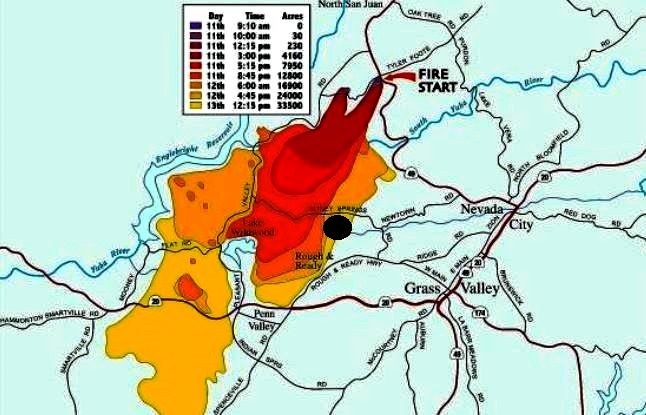
The site also became expensive to meet the mounting environmental pressures and restrictions. The need to geographically diversify became apparent.
Besides the fire hazard that existed, the site was situated on land that was considered rural. It was the only industry of any size for many miles in any direction. Nevada County is known for its red tape and high fees for property improvements. So, the county closely monitored what the group was doing with the site. Many claim to this day that the county counts on fees and fines.
When the group decided to rebuild Building One, here is a partial list of the hurdles they had to clear:
Remember, this was not a new building, just a replacement for an existing one. At one time, the company considered the possibility of employing 2,000 on the site. By the early '80s, that thought was fading fast. The site was also far from major highways. This situation began to concern the Group's management. The Britney Springs site was becoming environmentally difficult to justify.
The fuel leaks in the Building 9 generator did not ease the county's concerns about the site. The bigger problem was the underground diesel storage of 80,000 gallons. The rules changed after the tank was installed. They now required double‐walled tanks with sensors. So, all the original storage had to be replaced with above'ground tanks. This issue was not as much to do with the county as it was with the state and even federal rules changing. The county was just implementing.
The setting was idyllic, looking more like a college campus. Not the site of the largest manufacturer in the county, it was expensive to maintain. Not only building‐wise, but also the constant upkeep on the 300‐plus acres the site came to occupy. The Group also had to maintain its own water supply. The maintenance crew spent a lot of time clearing brush to cut down on fire risk.
Most employees enjoyed the campus nestled among the trees on the gentle hillside. Employees would get around the campus via company bicycles. They would walk out of a building and hop on an available bike and pedal to their destination. Kids were hired whose job was to keep the bikes evenly distributed around the campus. As the company growth slowed, plus the need to stay profitable, these perks were hard to justify.
So, a change in management philosophy started to set in. Much of it was creeping in via their Tektronix overlords. Was it smart to keep everything in one place in pricey areas like Grass Valley and Nevada City?
Outside forces were at work affecting the company's future. Digital video reached critical mass in the 90s, but it had been around for 20 years. The BBC did some of the earliest research into digital video in the mid‐70s. But digital video had been making inroads into products since that time. The first area was digital control systems for products. They began to appear in the 60s. By the late 70s, analog controls shifted to digital Boolean logic and integrated circuits (ICs).
Another big leap for digital control came when Intel launched the first microprocessor in 1971. By the end of the 70s, there were several well‐known microprocessors from a number of vendors. One that really took off was known as the 6502, which found its way into early Atari and Apple products in 1977. The first microprocessor, the 4004, had four bits. Then, in 1975, the 6502 came out, along with many others that featured 8 bits. By the end of the 70s, Motorola had a 16‐bit microprocessor.
During this time, microprocessors began to be used as the central control systems in television products. RCA produced the first computerized camera setup in 1979, the TK‐47. It used an 8‐bit RCA Cosmac 1802 microprocessor. This early microprocessor, though limited, let the camera do things never seen before. Using a microprocessor made it easy to set up the camera in just a minute. It also allowed for finer adjustments and many more of them than before. Humans could make a few adjustments better than the automatics, but the automatics would get close.
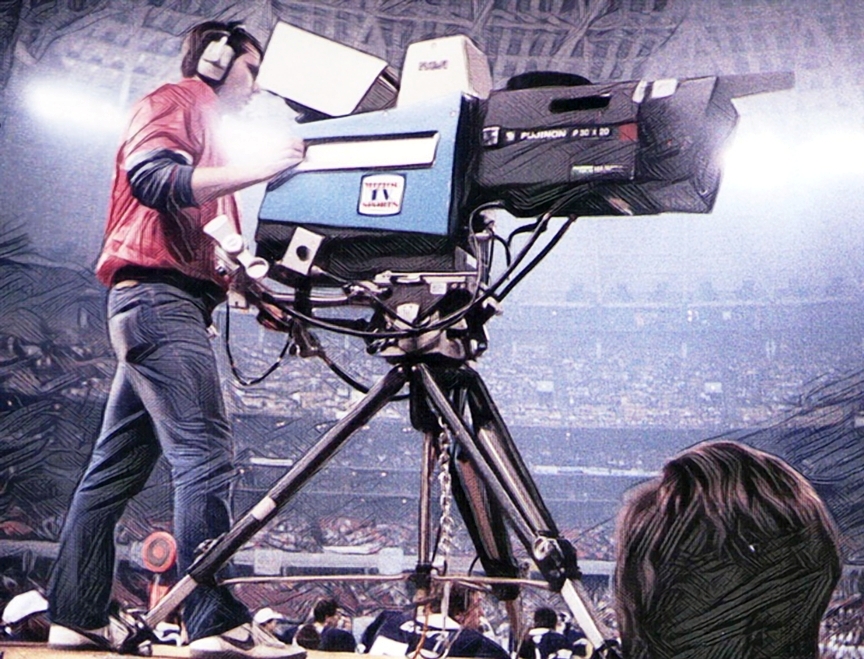
When it came to registration for image tube cameras, the automatic system was far better than any human. Soon to appear CCDs didn't require this registration. The author once saw a video operator set up a TK‐47 at a Paul Anka concert in the '80s for ABC. He claimed he didn't need a computer to do his job. He worked hours to set up the four TK‐47s for use. As showtime got close, the producer was yelling at the engineer (that was me) about why all the cameras looked so bad. And they did. The engineer (still talking in 3rd person!) responded that if he were allowed to touch the camera controls, he could fix it in minutes. Being a union situation, a standoff occurred. As the show neared, the union steward finally saw that the show was in real danger if things didn't change. It was noted that while the engineer couldn't handle the camera controls, it was his job to repair broken cameras. At this point, everyone agreed the cameras were "broke." It took 6 button pushes and about two minutes. The cameras were fixed!
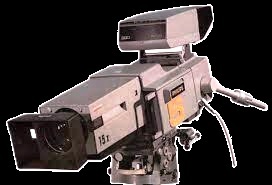
Other digital building blocks were starting to emerge around 1980. A major one was Ethernet, along with the IP protocol. This was developed by a group that included DEC, Xerox, and Intel. Actually, Xerox had been using a proprietary version in some of its machines since 1974. It used coax to connect large copier subsystems. This setup replaced many control cables with just one cable. Eventually, the interconnect cables linking the switcher control panels to the central electronics frames were replaced with Cat‐5 cables.
Most facilities evolved into digital one island at a time. With equipment that was digital internally to begin with. Eventually keeping it digital as video traveled from one box to the next. In time, the islands became a "continent." In a way, the same thing happened to the Group. In 1984, they bought their first subsidiary, Dubner Computer Systems. Dubner added character generators and video paint box graphics systems to the Grass Valley Group product line.
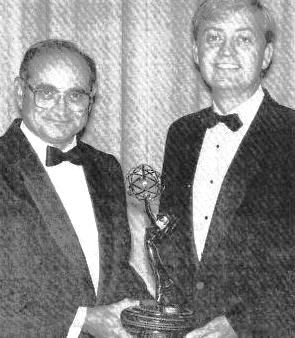
The color signal in old analog video systems is fragile. This made VTRs problematic due to their mechanical parts. While there was a trick that fixed the problem in consumer and low‐end VTRs, it lowered the video quality by producing what appeared to be "fuzzy" color. The heterodyne process stabilized the color, but it didn't stabilize the black‐and‐white part of the signal. The TV receiver locked onto the monochrome sync signal, making the chroma look fuzzy. The FCC did not allow broadcast stations to transmit the heterodyne process.
VTRs were an early beachhead for digital video technology. To begin with, Sony, as early as 1977, began research into recording video on videotape as digital information. A lot of the future standards adopted for digital video were worked out during digital VTR research. An important one was what the sampling rate would be for turning analog video into digital data. It was tricky because three main analog standards existed: NTSC, PAL, and SECAM. Each had different ways of handling color. Eventually, the common denominator sampling rate was determined to be 13.5 MHz.
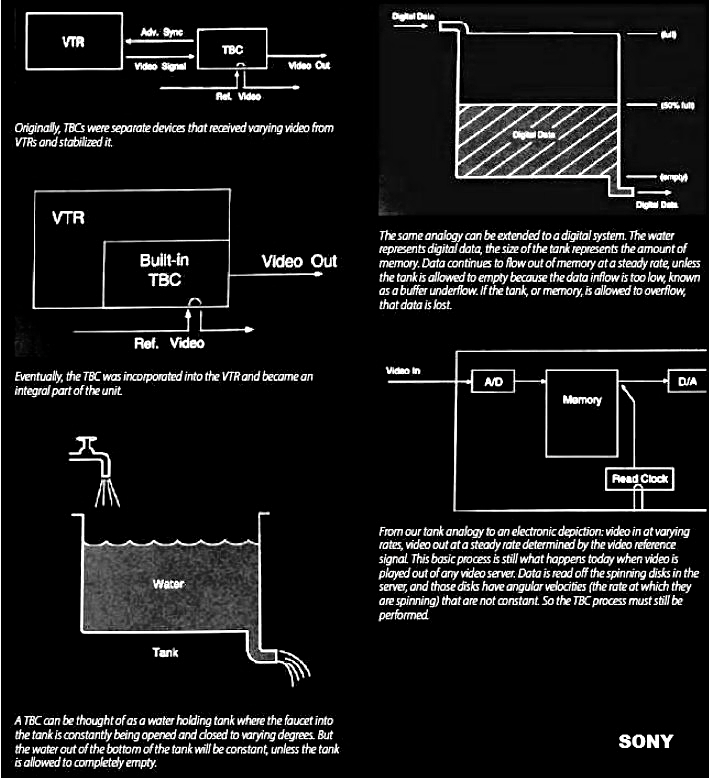
Why did VTRs have problems replaying color? VTRs recorded and recovered video information using a mechanically spinning head. As such, these devices were continuously running a little faster or slower than desired. This velocity error messed up video timing. It was especially problematic for the color subcarrier in the video. This happened because the scanner and capstan can't perfectly replicate the recording conditions. They also can't match the playback video to the "house" video, which serves as the external reference. To smooth the playback, the video was converted to digital. It was stored in memory at the rate it came from the VTR. Then, it was marched back out at a steady rate that matched the facility's timing. This device was known as a Time Base Corrector or TBC. Before this, large banks of electronics with variable capacitance created adjustable delay lines. These pre‐TBC subsystems were large and very finicky and only had a small correction window.
In 1975, a company called Consolidated Video Systems offered the first digital TBC. Technology had gotten to the point where memory was coming down in price. The components for converting video between analog and digital had become fast enough to handle analog video. The TBC took video that had jitter, marched it into memory at its varying rate, and marched it back out at a rate equal to local video. Early TBCs had enough memory that it could handle +/‐ 4 horizontal lines of jitter. Soon that window was 16, 32, and then....
Description of TBC operation here.
A signal from an outside source, like a satellite or microwave, may be close in frequency to yours. If it's not exactly the same and never was, you can't use it in any effect involving other signals. Even if the signal was at the exact same frequency, it would still be out of time with the local signal, as much as 524 lines.
So a news microwave truck was out in the field to do a live report. Even if it could somehow lock to the station's signal, it still would be out of time due to the propagation delay from the truck back to the station. The fix up until then was a bad one. Lock the whole station to the incoming signal. It was called genlocking. That is lock your sync generator reference to the signal coming in. It worked, but all the station sources would hiccup whenever the station went into genlock and again when it came out. Any VTR that was in record would come unlocked and, depending on the generation of the VTR, could take four or five seconds to relock. A big disturbance in the video. Thus, there was a market to fix this, and what is called the "frame sync" was born. That is, it took a whole video frame and locked it to the station's reference. As memory prices dropped, facilities early on had one, maybe two of these devices. Soon they were ubiquitous as memory kept dropping in price.
Engineers soon realized they could manipulate the whole digitized picture. In 1979, Vital Industries filed for a patent to do just that.
Digital effects changed production forever when Vital Industries launched Squeezoom Digital Video Effects, or DVE, around 1980. The Group was still working on the 300, which would change production significantly. They were firmly in the analog world, while others were already moving into digital.
Until then, it was not possible to manipulate the size of a frame, let alone perform dynamic effects on it. The Squeezezoom did just that. It could shrink a whole frame of video to a smaller size. Then, it could place it anywhere on the screen. That video could then be keyed over another video source. It could also zoom into video and enlarge a portion of the video frame. This was not used much because analog video rapidly looked bad as you enlarged it.
Yes, this all seems rudimentary now. Video is easily manipulated on any desktop or laptop with $49 software. But back then, 16‐bit microprocessors were the norm, with 32‐bit ones just arriving on the scene. The high‐end ones employed under 70,000 transistors and ran at clock speeds of 10 MHz. Today, run‐of‐the‐mill microprocessors bring hundreds of millions of transistors to bear and run at well over 1 GHz. With GPUs now powering the AI world, that number is in the hundreds of billions and speeds of 5 GHz. Today, microprocessors can handle video, magnitudes of order in quality above what was available then, and in real time. Add desktops with dedicated graphic processors, and what is cheap and common now was once very complex and costly.
Television engineers were amazed when they first saw the DVE. Many engineers loved showing their unsuspecting co‐workers what these devices could do. Such as flopping the picture fed to a monitor either vertically or horizontally. When the co‐worker exclaimed in surprise, the picture would quickly flip back. This happened before anyone else could notice it.
It was novel enough that the David Letterman Show once had the video slowly rotate through 360 degrees over the length of his 90‐minute show. The creative use of computer memory, enabled the active picture to be resized and repositioned. Vital was not alone for long.

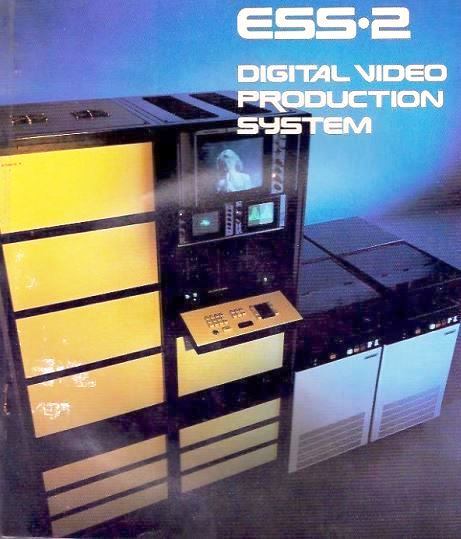
Ampex gained digital video design experience via its support of their VTRs. Like Sony, Ampex was early into TBCs.
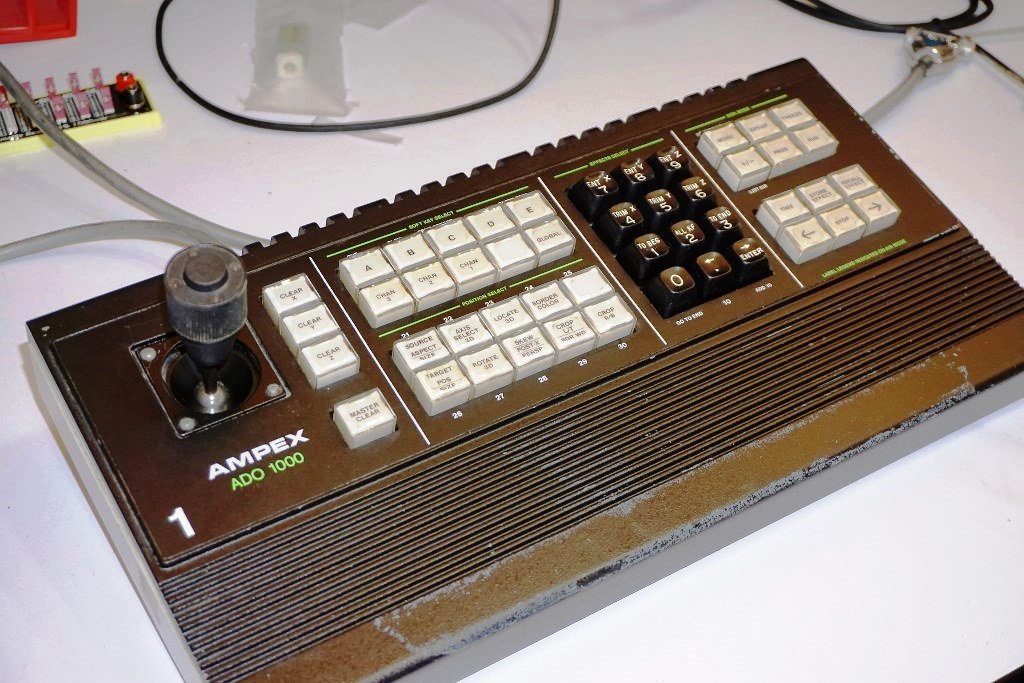
A year later, Ampex launched an early video paint system. This system used a tablet and pen, letting graphic artists paint on an electronic canvas. A year after the Squeeze zoom came out, Ampex launched the Ampex Digital Optics (ADO). This DVE was a full generation more advanced, even though it arrived only a year later. It marked the beginning of a DVE progeny. This would significantly impact the Group as they focused on building their own DVE.

Ampex quickly moved beyond just 2D effects. They soon offered full 3D features, like page turns and mapping onto solid objects. At a NAB in the mid‐80s, Ampex demonstrated the effect of taking a flat Coke can graphic and rolling it up into a can shape.
When Vital and Ampex launched their DVEs, the Group chose to OEM a DVE that NEC had released. The only electronics the Group added were the control panel and its interface. While it had the Group's touch and feel, the bulk of the sales revenue went to NEC and not to the Group.
In 1984, the Group got serious about making their own DVE. This later became known as the Kaleidoscope, or Kscope for short. The design team had full freedom to create the best box possible. A problem popped up right away. The control group was at Bitney Springs, but the video processing group was at the airport. The company had not quite figured out whose product it would be, PSD or MPD. Another problem was that Ampex had already boxed the Kscope design in with patents. To get around some of that, the designers ended up having to throw a lot of additional hardware at the problem.
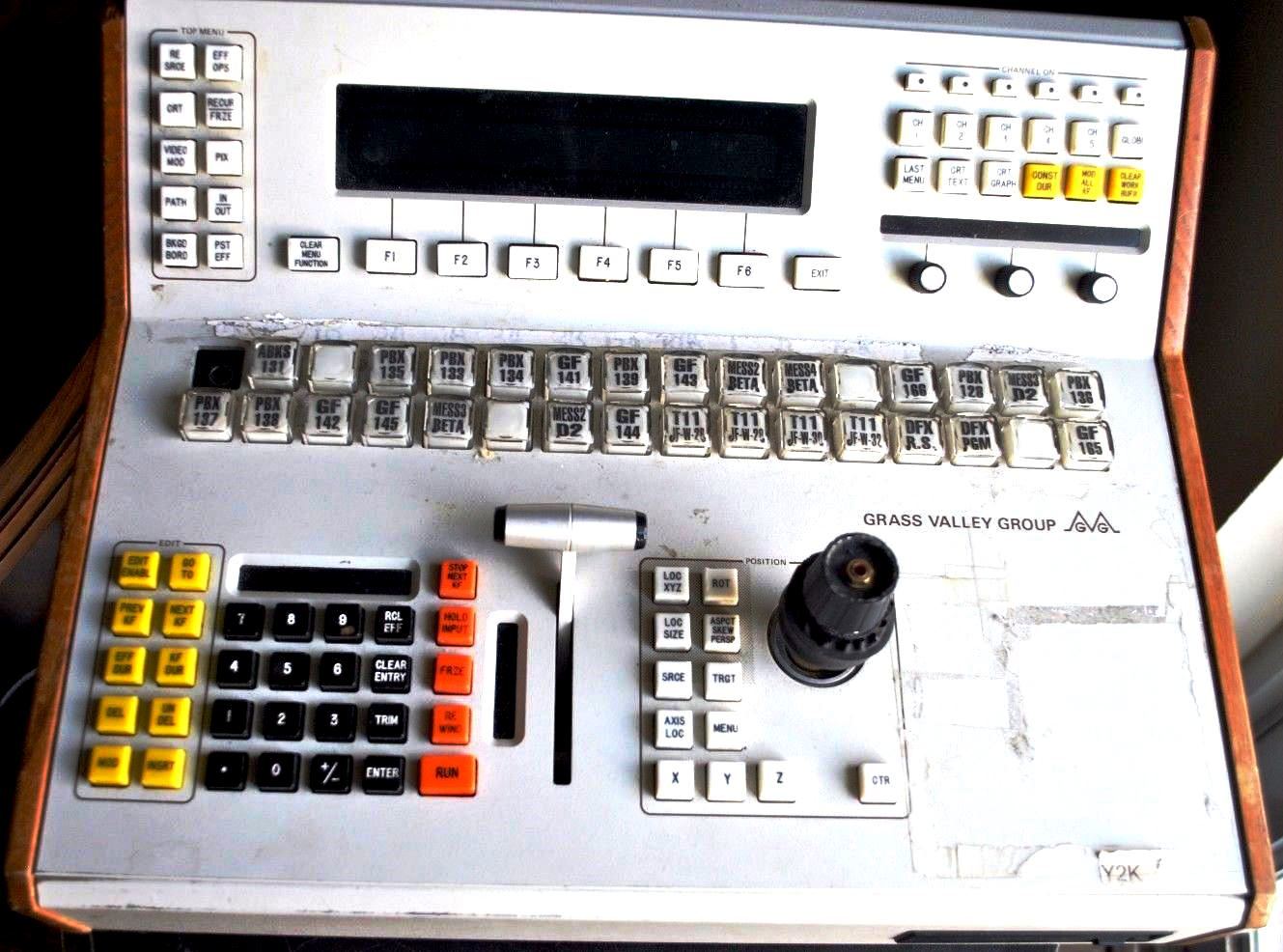
The Group had experience with digital circuits, but this was its first digital video project. The company hired new grads who knew how to treat video as digital data. It also brought in a few engineers from the BBC. The British led in digital video technology, with Sony close behind. Nonetheless, there was a steep learning curve. Video processing is quite different in the digital realm. Analog video filters used inductors, capacitors, and sometimes active parts. In contrast, digital filtering generally relied on banks of shift registers with different levels of recursive feedback. This was known as Digital Signal Processing, or DSP, as it is known.
The other factor that made this easier for the group's first digital video project was its ability to take in analog composite video. It sampled the video at about 13 MHz/sec and then performed the needed processing. Doing this didn't solve the issues of mixing black and white info with color info in composite video. Even at this time, there was a better analog way of handling the color and black and white information. It was known as component video. The color and black‐and‐white information were kept apart. So, they did not interact. The BBC and Sony were already working on systems that did the same digitally. The group was slower than others to go digital. They were also slow to adopt component digital over composite digital.
Each Kscope DVE channel was about 20 rack units tall, which is roughly a yard. It used 1600 watts of power. The cables connecting the power supply to the backplane motherboard for each channel were double aught battery cables. The Kscope was forced to use super‐fast TTL and some ECL logic. To keep the boards a manageable size and reduce timing issues, they were packed tightly with components. Birney Dayton directed the designers to Intergraph, which used a point‐to‐point wiring system from Kollmorgen (KM). Multi‐layer boards were in their infancy at that point. The KM Machine would make as many layers as needed. It would stitch wires across the board; the wires were insulated. It walked across boards, daisy‐chaining connections and electro‐bonding each connection. It hooked up a wire and welded it to the pad at the other end. The whole process was much like vector plotting. Intergraph ended up manufacturing the Kscope's boards.
The group had a novel idea: multiple control stations. Each station could take control and use one or more channels. The system control was designed to control up to eight channels. Each channel had the equivalent processing of 16 of the most powerful processors of the day. With all that, the Kscope could never quite duplicate the ADO's Coke can effect.
Another issue was the frame itself. It was designed using off‐the‐shelf aluminum studs, ribs, and tubing. Assembled much like an erector set. It was clear to anyone who replaced the cooling fans that they were the first items installed. There were 18 fans, and they were prone to failure. The technician needed to disassemble the frame into over 100 pieces of hardware to replace the fans. It could be disconcerting to see a $150,000 Kscope channel reduced to a stack of boards and a pile of metal parts.
The Kscope was introduced in 1986. The fact that Ampex had a five‐year head start limited Kscope sales. It was almost as effective as the ADO for effects. However, its ability to assign channels to different control rooms on the fly gave it a fighting chance. In reality, the largest systems never had more than four channels.
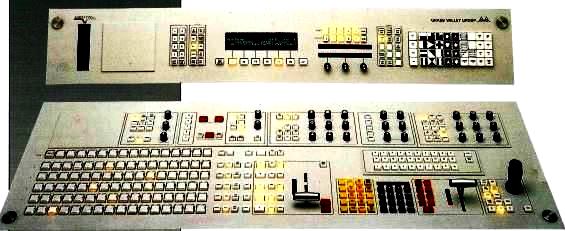
In just a few years, the Group revamped the Kscope control panel. It was made to look like a standard production switcher panel. It was called the Kadenza. Both the Kscope and Kadenza were digital composite systems. The world was already leaning toward component video, keeping the two sets of picture info apart. The bottom line was that component made for much better quality video.
A key upgrade with the Kadenza is its ability to accept 8‐bit parallel digital video in and out. In contrast, the Kscope only handled analog video. The Kadenza could accept parallel digital video. This could make it the Group's first digital switcher. Parallel digital video, with its thick cables, didn't gain popularity. It only found use in niche situations.
The Kadenza was sort of a hybrid between a DVE and a switcher. It could combine up to five Kscope channels with conventional switching capabilities. The Kadenza allowed multiple control panels to use a shared pool of channels. This meant that any panel could access any mix of channels. NBC used the Kadenza at the 1988 Olympics.
As mentioned, the initial plan was to involve enough state‐of‐the‐art hardware, controlled by firmware, so that eventually the firmware would catch up and completely match or surpass the ADO. The software team led the project from the start. The hardware wasn't fully developed and evolved based on what the software group needed.
In 1989, the Group's second DVE entered service, the DPM‐100 (Digital Picture Manipulator). It was geared for smaller markets and production situations and came with a much lower price. That year, the Group introduced its last analog switcher, called the Diamond.
In response to Sony's introduction of their DVS‐7000, the Group went to work on a competitive project. To do this quickly and efficiently, they took a lot of the Kscope architecture and interfaced it with a more traditional control panel.
Up until Sony entered the switcher fray, people thought GV was eclectic; now some customers were starting to think GV was just weird. The reason for this was that as mentioned the world was leaning towards component video, and Sony was the leading pioneer on this path. Grass Valley, which was now at least thinking digital, still held on to what was known to them, composite video.
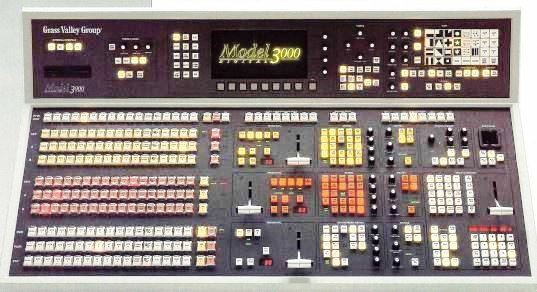
The 3000 was a big step for the group. It no longer needed thick multi‐conductor video cables. Now, digital video traveled in and out on a single coax cable, just like traditional analog video. It was a clean sheet design made to take SMPTE259 composite signals directly. This is the standard definition Serial Digital Interface (SDI). These weren't the digital flavors that the Sony 7000 managed. Instead, they were composite digital signals. Sony's switcher could be configured to handle either composite or component.
Today it is component video from the camera to your home receiver. In the late 80s, not all were sure that component would win the day. Many believed that, like NTSC and PAL, mixing chroma and monochrome would be a simpler path forward. CBS, similar to GVG, took a contrarian approach to digital video. They advocated for composite digital. CBS had vigorously fought against the original NTSC color approach in the early 50s. Now they had differing opinions on how digital should proceed.
When it came time to launch the 3000. Any hope that it would go smoother than the 300 launch proved to be wrong. A bit of the problem was that the Group still was not fully committed to digital, let alone which flavor. The company was still contemplating another analog switcher since it felt comfortable there. While digital video makes some things easier, some things it did not. As already mentioned the design of filters and mixers was not in the first category. Both composite and component digital reduce video to a number sequence. Often that meant that mixing and filtering often involved mathematical processes. The Group had to end up using ASICS (Application Specific ICs) in their design. An expensive and time‐consuming process. As noted in an earlier article, GVG struggled with ASIC design. They relied on Tektronix's existing tools rather than using the most advanced modeling options available.
The 3000 was the first GVG switcher to use multiple microprocessors. However, there was a lot of disagreement about the hierarchical use of these. Many believed the switcher was underpowered for the processing tasks it faced. Customers were unhappy after the launch. They noticed a 2 to 3 frame delay when selecting a source on the control panel and when the switcher switched to it. This ended up hurting the production of a "People's Choice" award show that greatly angered CBS. Some in the Group thought they were working on a post‐production switcher. They felt the company wasn't talking to customers soon enough. The market, and the Group, realized they were late to digital. They needed to offer something competitive soon.
When the 3000 showed up at NAB in 1991, it required five hidden Compaq 386s to make it appear to work. The rogue impressed a high‐ranking Sony official, who remarked that it was the switcher they should have created. Little did he know.
It turned into a software project the likes of which the Group had never seen before. There were 16 software engineers and just four hardware engineers: Bruce Rayner, John Apt, Richard Bannister, and Brian Dunbar. Bannister had his hands full developing the ASICs that the switcher required. Sophia Day was the project manager. The technical team faced constraints because they waited too long to see the industry's direction. Complaints arose about the project changing direction. Both management and the engineers voiced concerns.
When the GVG 3000 shipped, it was 95% complete. The problem was how to deal with the 5% that's left with the customers staring over your shoulder. This is exactly what happened with the 300 and now the 3000. Sony now appeared to be the leader in the very area that had defined the Group.
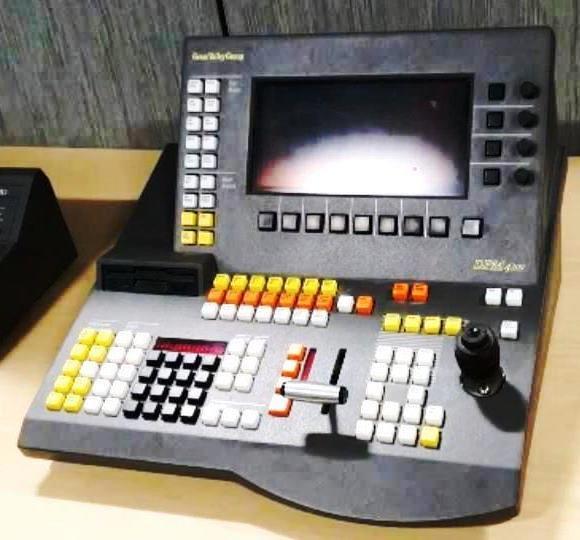
The Group jumped back to the drawing board. They began designing a new digital component switcher from scratch. They even had Dave Hershberger design the Group's own SDI transceiver chipset. Richard Bannister was this project's Program Manager. Bannister was a veteran of the hybrids, the 300, Kscope, Kadenza, and the 3000. This project, the 4000, was started in 1992 and took almost four years to ship.
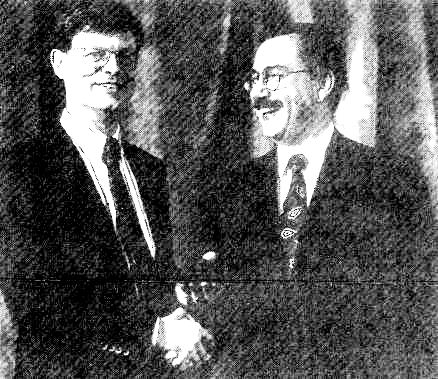
The company was in dire straits from 1991 through 1993. In 1994, Tektronix sent down Dan Castles to straighten the situation out. He flew into San Francisco and got on a company plane for a 45‐minute flight to Grass Valley. There was also another passenger on the flight. Dan asked his fellow traveler what was bringing him to visit the Group. He said he was with NBC in New York, and he said that he was going there to rip the current GV President a new asshole. Then he asked who Dan was. Dan said, "I'm Dan Castles, and I guess I'm getting a new asshole." NBC had committed to the 4000 switcher, and it wasn't going to be ready as promised.
The next day at the meeting, Dan said to the NBC guy, "We got an hour; here's all the people who are involved. If you want to go 'New York' on them, go ahead, but it won't make any difference." That settled the visitor down a bit, and he simply asked if it worked well enough to be shipped anyway. Engineering said it was at 95%.
For the first six months of shipping the 4000, Dan apologized to customers. He also set up action plans.
Fox was doing one of their first big events, the World Cup. They were doing a dry run for Rupert Murdoch, and as he walked in the switcher went down. If it had been a real show, it would have been a disaster. Engineer John Gerow was sent back to watch over the switcher during that event. He couldn't do anything, but he was there for someone to beat up.
Once the issues were fixed the 4000 became a very popular switcher. The Kalypso, launched in 1999, also SD only, was the follow on to the 4000.
In the mid‐'90s, Tektronix and the Group were stretched thin, trying to defend too many market segments. Most of these defenses were not effective. It now faced more competition in its switcher and router markets. Later, we will see it also competing in video servers. Both Tek's test equipment and the Groups video equipment had high capital development costs. Tek was starting to think it was not getting the return it wanted from Grass Valley. At one point there were even questioning if the Group was an asset in decline.
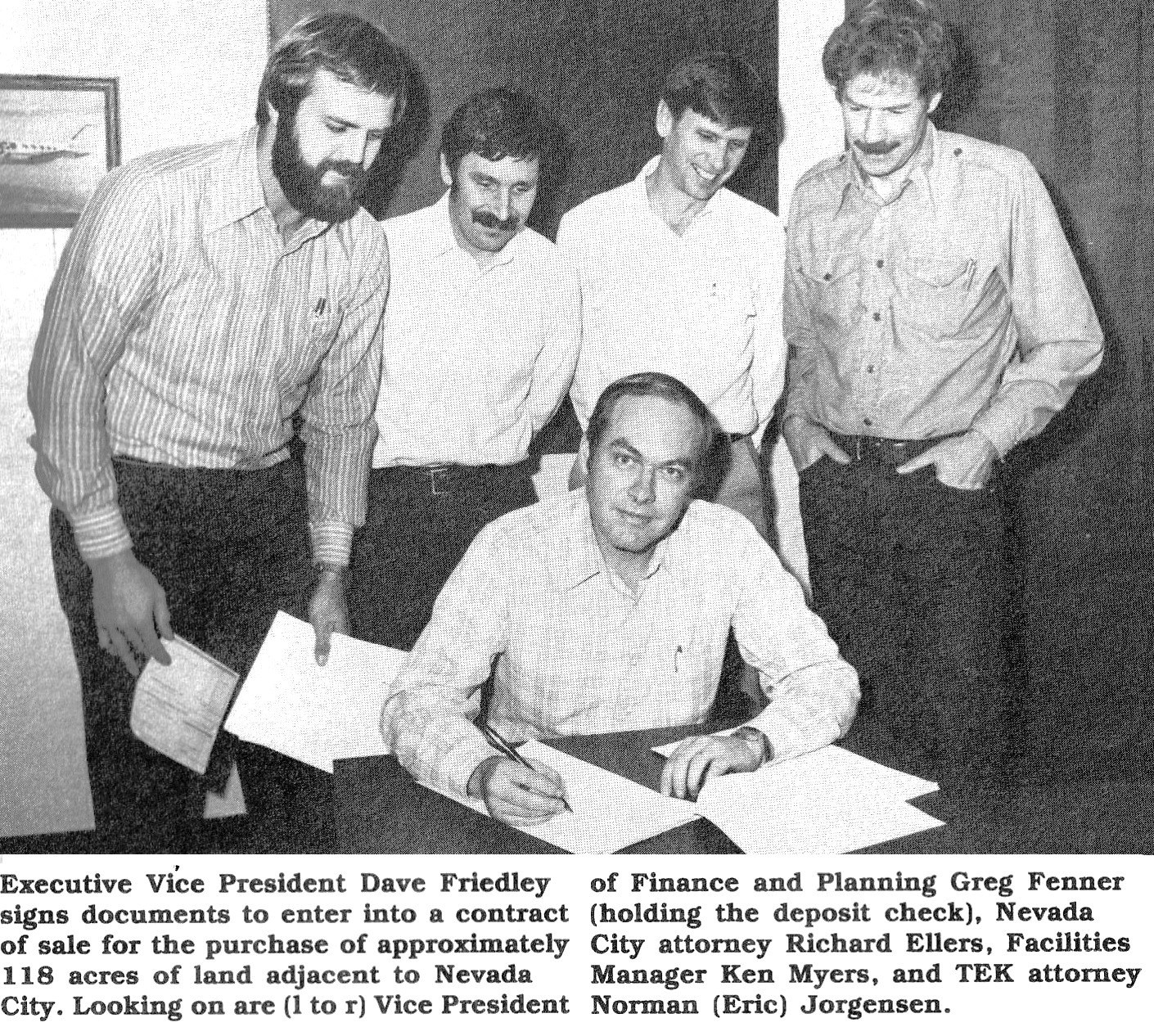
In December 1982, the Group purchased a second site. It was 160 acres and called the Providence Mine site, named after the mine complex below. At that time, the Group was growing fast. They initially thought Bitney Springs would have around 2000 employees. Now, they planned for the new site to hold about the same number. Yes, in the early 80s the Group envisioned a future with 4000 employees in the area. The new site had several advantages. It was 500 feet from a main water line, and adjacent to Nevada City's wastewater plant. It was easily accessible from the freeway while also being secluded. This helped GVG create a campus‐like feel like at the Bitney site. Another plus was that the new site was much closer to hotels, restaurants, bars, and more for visiting customers.
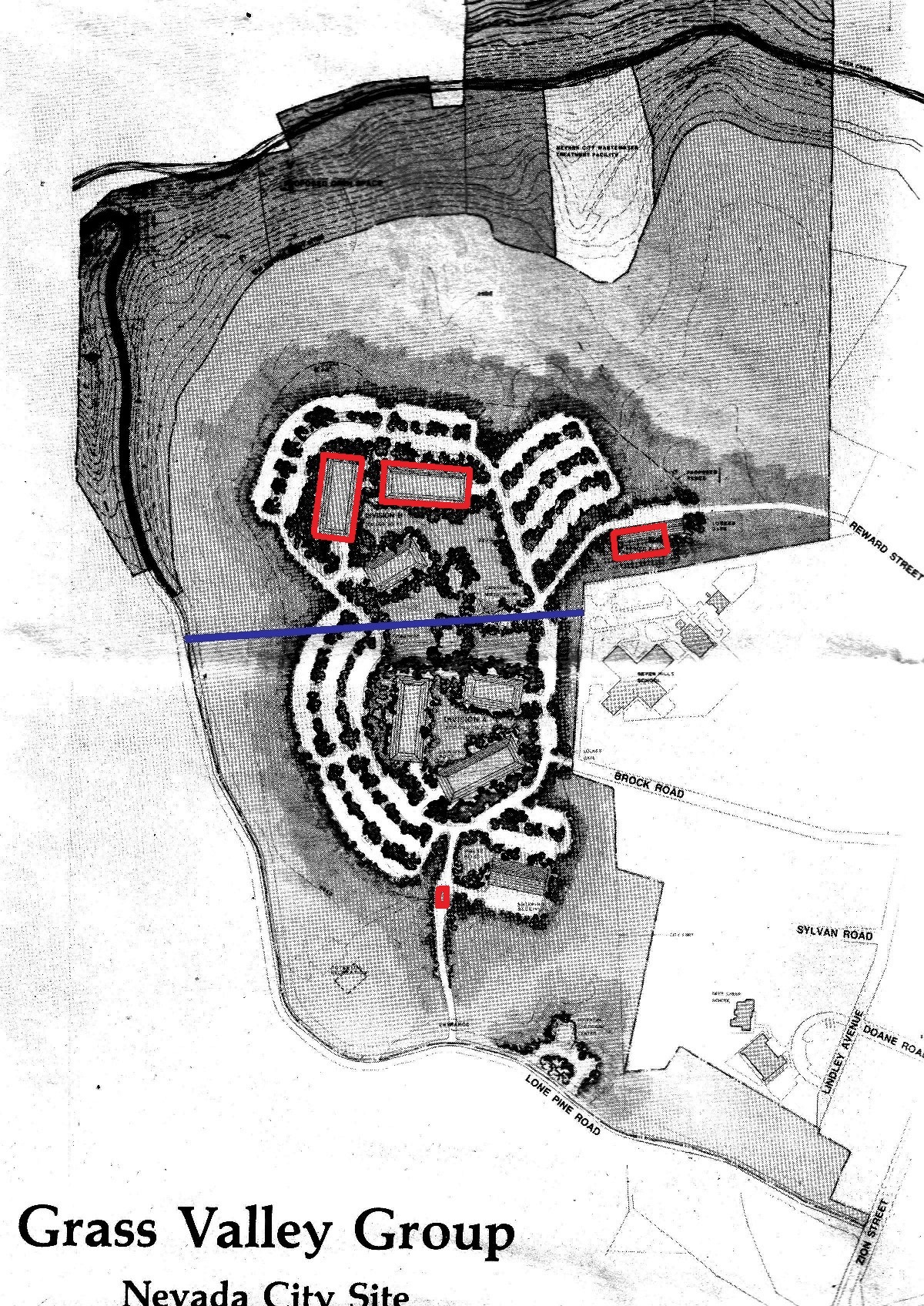
Only four of the nine planned buildings (red) were ever built. One of those four was a guard shack. The blue line depicts the southern portion of the site, which was sold off in 2000.
The best laid plans: Instead of growing the Groups size in the area. The opposite happened. Tek completely changed course, and instead of using the new site as a growth site, it became over time "the" site. By 1996 the Bitney Springs site had been emptied out. Local employment at Bitney Springs started near 1,000 in the early 80s. It peaked at 1,200 in the late 80s. Then, it gradually declined to about 550 by the turn of the century.
After several more purchaces by outsiders there remained 200 local employees. These final survivals were moved out of Providence Mine and into what was the 41,000 square foot NVISION building. This NVISION was the only spinoff the company ever had.
GVG and a summary of its hisotry in the 20th century.