
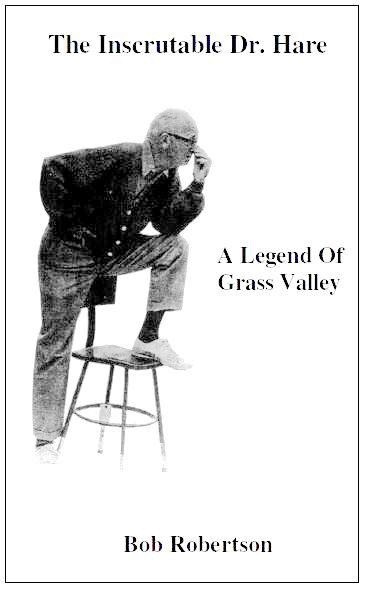
Dr. Donald Hare was the founder of the Grass Valley Company. He started his life on the West Coast. From there, he traveled a long and arduous path to the East Coast and returned to California to launch the company. This is his pre‐Grass Valley story.
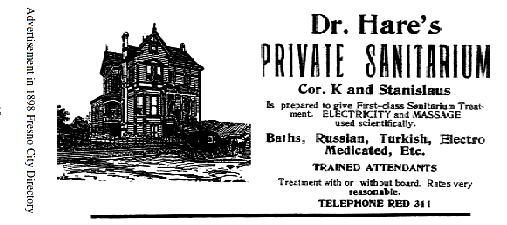

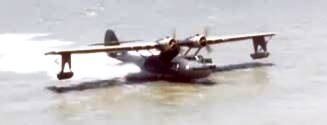
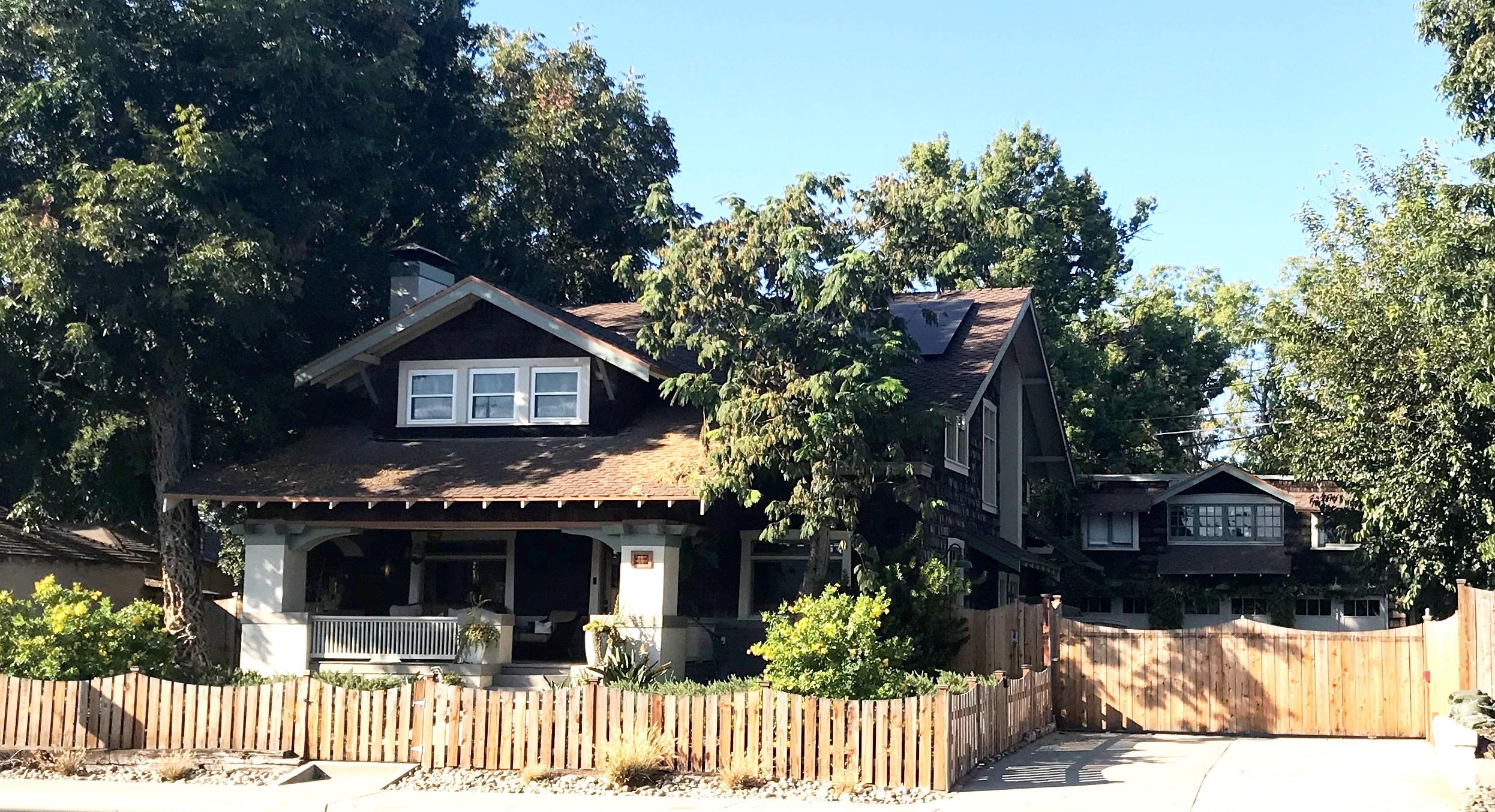
Donald George Corkhill Hare was the youngest child. Donald did not have a typical childhood as he had no friends his own age. The two brothers and two sisters he had were much older and had their own interests and friends. Donald was not generally included in their activities. His parents' doctor's office was not a suitable playground. He spent a lot of time by himself or around adults. After school he had to fend for himself. He frequently wandered through the small medical complex owned by his parents. He saw many people waiting to see his mom or dad. Donald didn't want to be a doctor. Still, he found the medical books in his dad's office interesting. One day he discovered Gray's Anatomy. He often retreated to his room. There, he would spend hours reading and studying the illustrations. From that book he learned Latin and about sex.
Donald didn't have strong family relationships. Sometimes, an older brother played cards or chess with him. Still, there weren't many activities for the whole family.
Donald and his father were not close. His father loved being the center of attention. The organizations he joined helped him with that. He spent a lot of time on them, which hurt his practice and his family. The American Academy of Medicine chose George as president for 1916‐1917. He had a strong interest in training medical students. He was elected Vice President of the California State Medical Society twice. He also served on the House of Delegates of the American Medical Association from 1912 to 1915. He was a key member of many social and charitable groups in Fresno. He was a dapper dresser and fast and loose with his money, some of which had been borrowed from relatives.
Donald was originally enrolled in a school run by the church to which his father was devoted. Donald was often suspended and sent home by the school to be disciplined by his father. After his parents scolded him and his dad gave more to the church, Donald would be reinstated. Neither his parents nor his teachers saw the real issue. Donald felt bored because his schoolwork didn't challenge him. They didn't realize he was quite intelligent. At the age of seven, he completely disassembled a clock and put it back together. He built a shortwave radio and was interested in guns and explosives. He once put a bullet on a stone and struck it with a hammer. Fortunately, the lead bullet and the brass casing went different ways and did not hit him. The downside? The bullet did put a dent in the side of his mother's Buick.
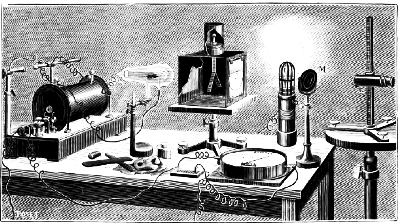
Donald became interested in electricity when he saw his father winding transformers. His dad also experimented with electricity while building x‐ray machines. Donald experimented with electricity. He blew so many fuses in his dad's shop that he bought a secret stash of replacements.
Donald wanted to go to public school. His antics aimed to get him out of parochial school and into public school. His parents didn't care about his wishes. Then one day, he came home. He told them about two teachers in a compromising situation in a car. They decided to enroll him in public school.
In the 20s, a sudden fall in the price of produce hit California, and the state experienced a severe drought. Donald's parents planned to retire from their medical practice. They wanted to enjoy life by living off their investments in orange groves and vineyards. They were not novices when it came to growing grapes, even oranges. But they had bought into the business at high prices and with little equity. At the time, Bank of America was the largest landowner in the state due to many foreclosures. As a result, it faced financial trouble. His parents had to keep working as doctors to pay the bills.
The father had neglected his practice, and the mother never had a profitable one. At that time, even women did not fully accept women doctors. In desperation, his mother took a job as a company doctor at a logging camp high in the Sierras. It was the best she could do to earn money for the family. The lumber company was lucky to have her because doctors were scarce after World War I. Donald spent some time with his mom at the camp.
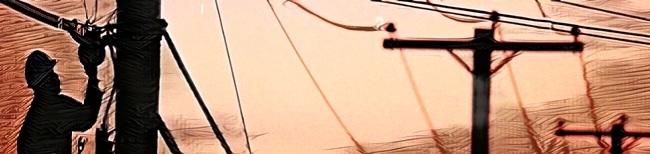
Donald graduated from Fresno High School in 1924. He knew he couldn't rely on his parents to pay for college. He had grown tall, over 6 feet, with a slender, athletic build. Tennis was his favorite sport in school. He took a job as a helper lineman at Pacific Telephone and Telegraph. He needed the money for school.
On payday, several of his workers would get together and play poker. They thought the new kid would be an easy mark, but they soon found out that was not the case. One of his older brothers played cards with him and taught him both poker and bridge. Donald, who had total recall, was able to count cards, which he used to his advantage. This was a skill he would use in the future. Soon, he learned how to play pool and snooker. It was said he could hold his own in a friendly game.
After two years, he quit the telephone company and enrolled in Fresno State College. He worked in a sandwich shop and took a summer job in the kitchen of a hospital. The breakfast shift began at four a.m. His first task that day was to shell cases of eggs and put them in trays for baking. On the first day, he quickly calculated that breakfast for the patients would be ready at 10, not the usual seven, at the rate he was cracking eggs. He quickly learned how to break two eggs at a time in each hand. Years later, when questioned about this, he would proceed to demonstrate that he could still do it.
He enrolled in a machine shop class to learn about machining. At 12, he had learned Morse code. One summer, he worked as a radio operator on a tramp steamer. He made a trip to Hawaii and back. After two years at Fresno State, he returned to the telephone company for a year. That experience made him realize he needed a college education. He quit the telephone job for a second time right as the Great Depression was taking hold in 1930. It was the second one in the past 10 years for the state of California.
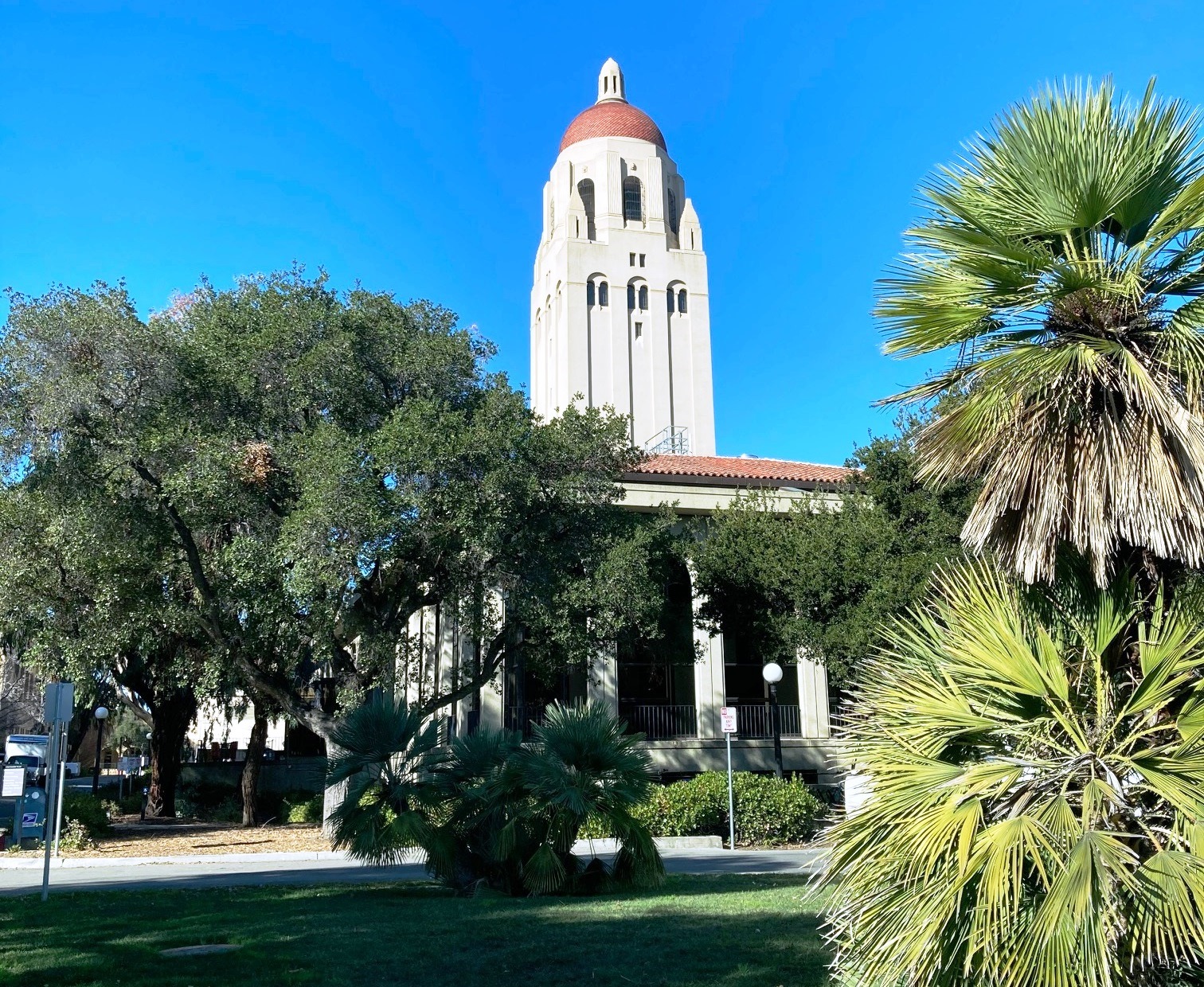
At 23, Donald chose to enroll at Stanford. He didn't know if he would earn enough each quarter to stay in school. He arrived at Stanford with $50 in his pocket and took a job, again making sandwiches. He won some money playing poker and bought a Model A. Then he thought he could keep making money by playing poker. He decided which fraternity to join by the ones that had the most expensive cars parked in front of them. He chose the Alpha Tau Omega fraternity based on the economic wealth parked in front. His father, mother, and older brother were all medical doctors. This seemed like a guarantee for his acceptance into the fraternity. None in the fraternity were aware of his precarious financial condition, which spared him from potential embarrassment. To them, he was another rich kid from a family of doctors.
He found he could make money playing poker with his fraternal brothers. He also had a Saturday night job playing the ukulele in a band. But he was still not making enough to cover tuition.
The poker games went on. Donald felt he wasn't winning much. He thought staying low‐key would help him blend in with the other players. Eventually, the dean heard from the parents of his teammates. They said he was taking a big part of their kids' monthly allowances. The dean told him to stop, or he would be expelled from school. No more poker playing put a big dent in his finances.
He went to a local resort to find a job as a waiter. He saw upper‐class ladies playing bridge. So, he decided to talk to the activities director about teaching them how to improve their game. He had a tryout with the ladies; they liked him, and he had a job that he could work around his classes. He made more money than he did playing poker. That summer, he went back home to Fresno with $500 and a used Buick.
He finished his degree in science in 1931. But since the country was in the midst of the Great Depression, he couldn't find work as a new science graduate. To make matters worse, many workers and Dust Bowl farmers moved to California in search of jobs that weren't available. What compelled him to stay in school? He realized he could make more money by staying in school and thus decided he was going to graduate school.
One day he shared a short elevator ride with J. Robert Oppenheimer and another scientist. Oppenheimer would later lead the atomic bomb project. Hare listened to their talk and later said, "They were so far above my head, I felt like a blithering idiot."
He did make a mark with his research. Hare and Paul Kirkpatrick wrote a couple of papers together. In 1933, Stanford University Press published "Lateral Distribution of Photoelectrons and the Measurement of X‐Ray Polarization." This research focused on the lateral distribution of photoelectrons and how it relates to X‐ray polarization. The work is known for its thorough analysis. It has been cited in many scientific studies.
In 1934, they produced "Depth Distribution of Origins of Characteristic X‐Rays from Thick Targets" examined how X‐rays form in materials when high‐energy electrons strike them. They measured how deep inside a solid the X‐rays originate, helping understand which layers contribute most to the X‐ray signal.
In college, he briefly married for the first time. This happened after his girlfriend got pregnant. They split up not long after a son was born. He only saw this son once, in the late '60s, for a very brief and awkward meeting when the son came to see him.
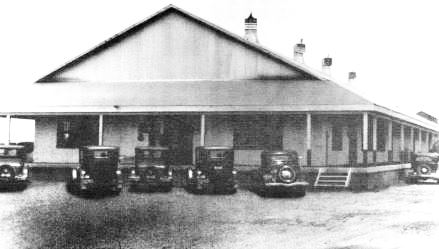
After leaving the university, he got a secretary who had a crush on him to type 300 resumes for him. Xerography was still a dream of Chester Carlson. Of those, he was only offered three interviews. His first job out of school was a lab in California doing geophysical work. The next year, he went to work for what is now known as Texaco as the head of a small geophysical laboratory.
In graduate school, he got to improve his machining skills with help from a few machinists. He was now able to apply that knowledge with the help of a couple of machinists that worked for him. It was crucial. To keep their work confidential, they had to design everything in‐house. They developed tools that used x‐ray polarization, scattering, and photon counting. They also focused on detecting gamma rays. All areas that Dr. Hare had studied and researched at Stanford. He had also been exposed to them in his childhood by his father. This technology was applied in Texaco's search for oil and gas.
He didn't realize that this development would later influence medical instruments, cancer radiation therapy, and the defense efforts in World War II. During his four years at Texaco, he earned 29 patents. Eleven of these improved the Geiger counter, a device that detects gamma rays. Oil drillers study gamma‐ray patterns to find rock anomalies. These anomalies may show where oil or gas is located.
Hare discovered how to use x‐rays to measure liquid levels in a tank. This is important, as placing electrical devices there could be unsafe if the liquid is volatile. He used similar techniques in determining a liquid's specific gravity. All‐important parameters when extracting oil. By spring 1940, his staff had increased to 33.
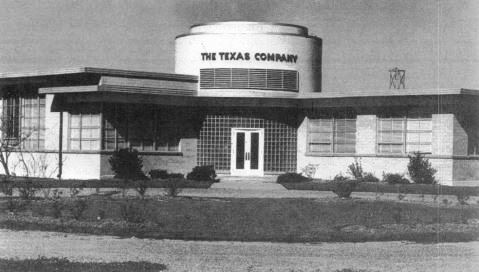
In 1938, he married his second wife, Betty Bloom. She graduated from Scripps College. In April, they welcomed their first child, a son named Stephen George Corkhill Hare.
Hare played a large role in developing sub‐detection equipment during the war.
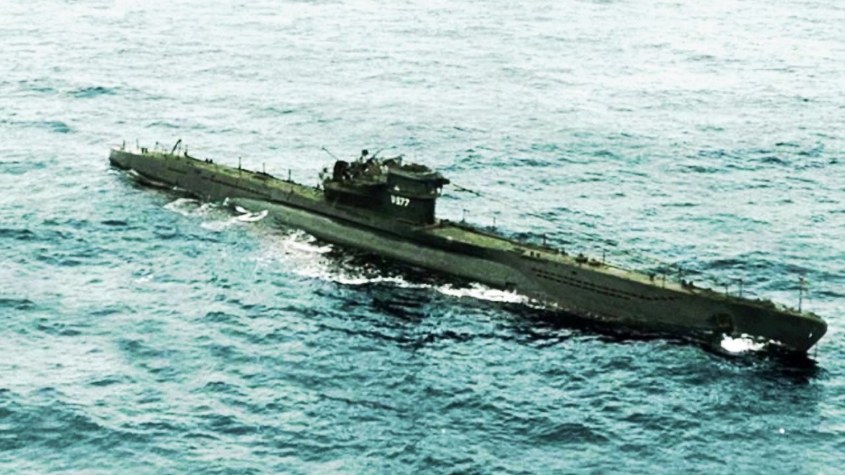
During World War II, he was loaned to the National Defense Research Committee. This group was directed by Columbia University. Specifically, he worked at the U.S. Navy Underwater Sound Laboratory in New London, Connecticut. After a few months, he became the director of the new Airborne Instrument Laboratory. This lab was created to find a way to detect submerged submarines from the air. Early in the war, German subs caused chaos on the U.S. East Coast. In the first eight months of 1942, they sank 22 percent of the oil tanker fleet. They also sank 233 ships in the Atlantic. This caused 5,000 deaths among seamen and passengers.
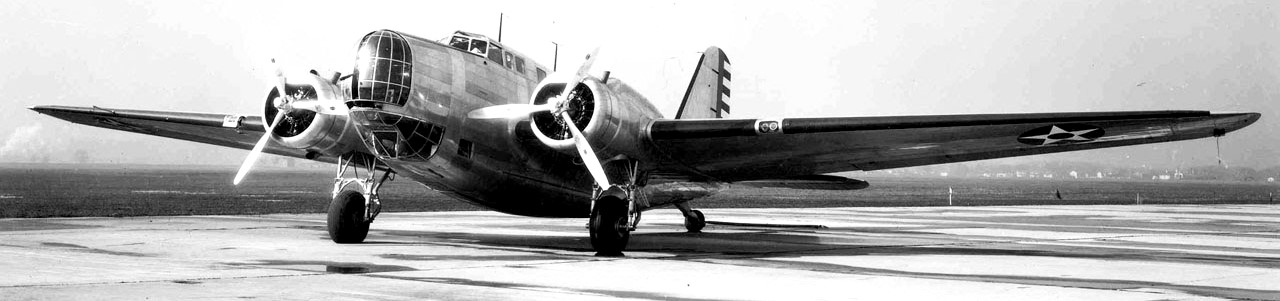
Hare's team found a solution. They detected magnetic anomalies from the sub's hull. They also filtered out distortions from the aircraft carrying the detector. By early 1942, as Germans began terrorizing the East Coast, a blimp‐mounted detector spotted its first submarine. While a summoned destroyer was unsuccessful in sinking it, it was proof that they were on the right track. A couple of weeks later, analysts believed that the detector led to the first successful "kill" of a sub. On May 30, the first B‐18 bomber was equipped with Magnetic Anomaly Detection (MAD) gear. This upgrade came as the B‐18s became outdated in their role as medium bombers. Eventually, 122 of these planes were equipped. After the war, the technology was employed to find mineral deposits from the air. While it did not find the presence of oil directly, it identified areas likely to contain oil. Other gamma ray detection improvements led to methods for finding non‐metallic land mines. They also helped measure the thickness of propeller blades and artillery shells. This way, we can identify weak points that may lead to failures.
In 1942, the Hares had a daughter, Susan.
After the war, he worked for Deering‐Milliken in South Carolina. It was a textile company that wanted its own research facility. The company hired Dr. Hare to head that up. He quickly persuaded the company that, to recruit the scientific talent needed, research should be done in the northeast. The research facility for Deering‐Milliken moved to Greenwich, Connecticut.
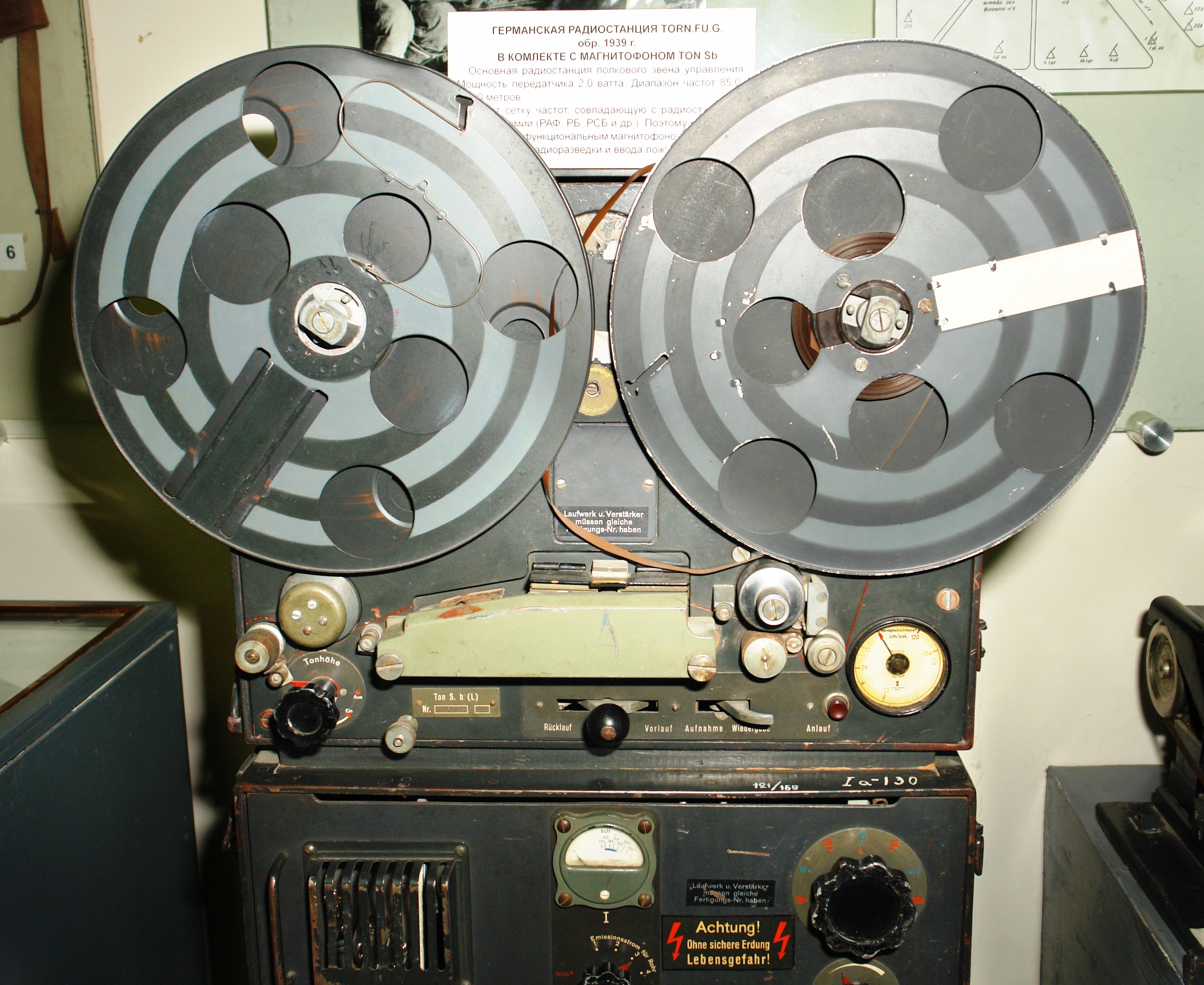
One day, a friend who just returned from the occupation forces in Europe visited him. He handed him a small audio tape recorder he got in Germany. Up until then sound recording was done via wire, not tape. Ampex, primarily backed by crooner Bing Crosby, also discovered the German model. They were using tape produced in Germany. Hare learned that 3M had developed a new audio tape which he used. In his free time, Hare revamped the machine's tpae transport. He still used the record heads from the German model. With 3M tape, Hare's result was better than the Ampex knock‐off of the same machine. He reported he got twice as good frequency response at 15 inches per second (ips) as Ampex got at 30ips. 15ips soon became the industry standard.

Hare showed the prototype to Sherman Fairchild, who immediately wanted 10 of them. Fairchild had started Fairchild Recording Company in 1931. He was a prolific entrepreneur, having started Fairchild Aerial Camera in 1921. Next, he designed flight instruments and rebranded the company as Fairchild Camera and Instrument Co. in 1927.
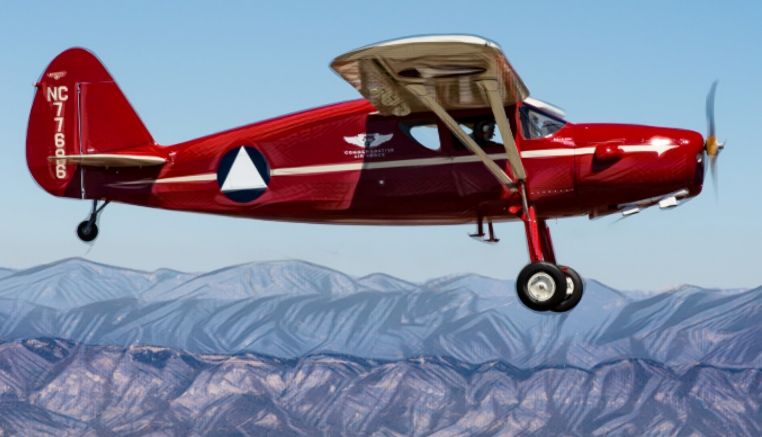
In 1924, he developed a high‐wing monoplane, which was the forerunner to the Fairchild 24. Fairchild was the first to add flaps and wing slats to its aircraft.
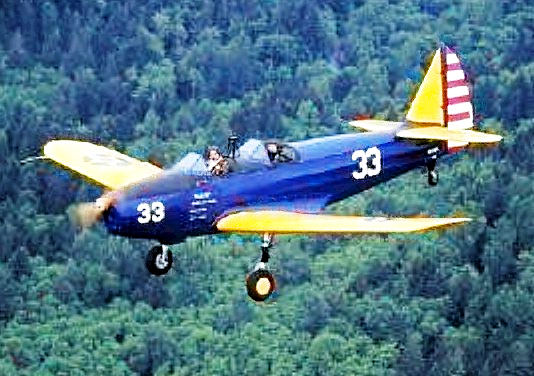
His company made the primary trainer for WW2, the PT‐19.
He started two airlines that were later merged into Pan Am. In 1957, he founded Fairchild Semiconductor Corp. This came after he financed a splinter group from Shockley Labs, known as the Traitorous Eight. This is the group we will look at in an article entitled the "Fairchild Effect" later on. That group included Noyce and Moore of Intel fame. Fairchild founded over 70 companies during his life. Most of these were spin‐offs from his original startup. His Fairchild Semiconductor concern is credited with "kickstarting" the Silicon Valley semiconductor boom.
Hare had no clue he would one day launch a company that would make a big impact on video technology in Grass Valley, much like Fairchild Semiconductor did in Silicon Valley.
Hare realized he couldn't juggle moonlighting in electronics with his job at Deering‐Milliken Research. Also, Milliken was reconsidering his research location, far from the mills in South Carolina. He quit the Deering‐Milliken job to start his own firm, the D. G. C. Hare Company.
In 1949, he decided to start his own company, The DGC Hare Company, "short" for Donald George Corkhill Hare.
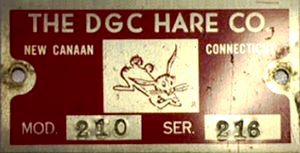
In 1949, he moved to New Canaan, Connecticut, and started his company. Ruth Kuntz, his bookkeeper and right‐hand person at Deering‐Milliken, agreed to follow him. Since he could not afford to pay her a salary, she lived with him and his family until the company could afford to pay her. She found a location for the new company in back of a local machine shop. They added a concrete block addition for some office space. Besides being a secretary and bookkeeper, she was also the Hare's babysitter.
Soon, Hare and company were in business. CBS ordered six of his new audio recorders. He borrowed $10,000 from Fairchild to fulfill the order. He gathered parts and hired a team of five. This included three electrical engineers, one mechanical engineer, and one electronic technician. Ruth now also received a salary. The National Bureau of Standards bought one of his recorders. It was for the first meteor‐tracking system.
While the business was off and running, his personal life was not so fortunate. His marriage fell apart due to his long hours and a big disagreement about how to discipline their two kids. He moved out in 1952 but had no thoughts of divorce at that time.
Hare and company would later compete with Ampex at times. But it didn't happen then. If Hare's company focused on tape recorders, it would face tough competition. Ampex had more funds, and now RCA was involved too. Fortunately, an opportunity arose that shifted their direction in audio recording.
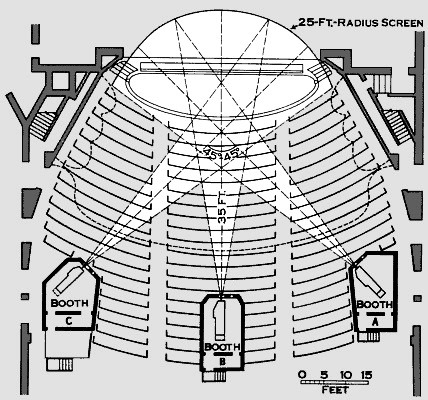
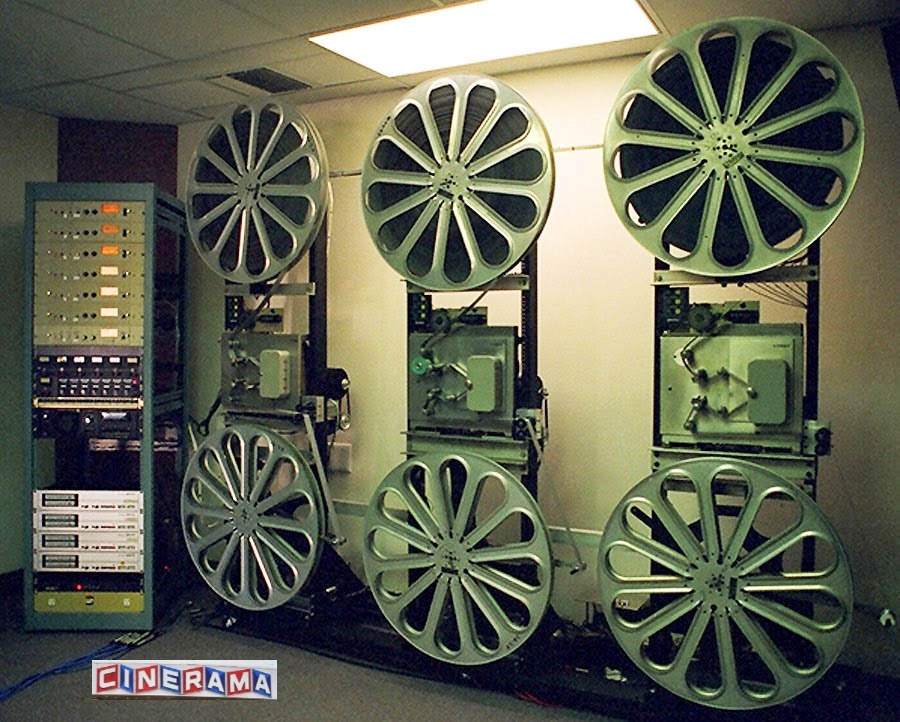
Hare's company found a new opportunity to expand its fledgling audio product offerings. Cinerama created a way to show three films on different screens or one very wide screen. Each film contained a third of the horizon span of the composite wide screen content. It was the first super wide screen system that engaged the viewer's peripheral vision. Hare's company won the contract to create equipment that would recover multiple soundtracks from 35mm film. Speakers were not only installed behind the screens, but also on the sides and in the rear, seven channels in all. The first instance of surround sound. Hazard Reeves, President of Cinerama, teamed up with director Merian Cooper, known for the original King Kong. They produced five movies starring Lowell Thomas, which made over $100 million.
Reeves wanted to secure his equipment source, so he offered to buy D.G.C. Hare Company. He proposed 125,000 shares of Cinerama stock in exchange for all 500 shares of Hare Company stock. This was the first time Hare sold his company.
Hazard Reeves's Cinerama Company was based in New York City. Its production and technical work primarily took place in Hollywood, California.
Ruth Kuntz's roommate introduced Hare to Hazel Shaw. Hazel was a recent chemistry graduate. She worked for American Cyanamid Corp. On weekends, Ruth often went target shooting with Dr. Hare. Hazel was a member of her company's rifle shooting group. Ruth introduced Hazel to Dr. Hare and encouraged her to try pistol shooting. Hare was a practiced and precise marksman. He and Ruth would get the weapons and ammo ready on Friday afternoon for the weekend. He had a shooting range in his basement.
In their first competition, Hazel made an error while loading her weapon. When it was time to shoot, it wouldn't fire. She asked for a restart, which Hare refused. A few weeks later, she and Ruth went to his house where, in the excitement, Hare's dog vomited on the rug. Hazel said a man who likes dogs could not be all bad. Soon after, they began dating. Their romance had its ups and downs. The age gap between them often lingered in the background. Hare had been apart from his second wife for several years, but he hadn't thought about divorce. After a year of courtship, he came to realize that Hazel was ready to end her relationship with him unless he was serious about marriage.
Hare let her fill in for Ruth. Ruth was going to the hospital for surgery. This way, she could see if she liked working for a small company. Hare liked to cook and was good at it, while Hazel did not know how to cook. Ruth got involved and arranged for Hazel to take a cooking class. Twice a week, she took a train into New York City for her class. Hare let her off early to go, but made her pay for the lessons.
When Hare filed for divorce from Betty, he wanted it to end. He agreed to a settlement that left him in financial trouble for years. In 1957, Hazel and Hare got married, his third and final marriage.
The Hare Company kept improving its audio tape recorders. They also made multi‐track recorders for the Navy and others. The company built a synchronous‐film recorder for CBS. They worked on signal processing equipment for M.I.T. This led to a big contract from the Navy. Hare was tasked with developing testing methods and applications for transistors. This work would prove valuable to Hare in the future.
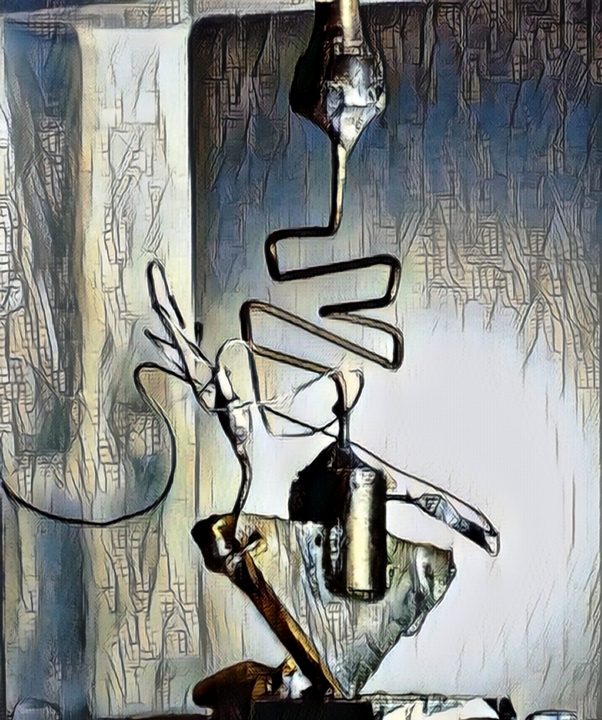
The transistor was created by William Shockley, John Bardeen, and Walter Brattain at Bell Labs in 1947. Shockley went on to found Shockley Labs. Hare worked closely with Bell Labs during the war. Because of this, he knew these new devices as well as anyone outside Bell Labs.
As 1957 ended, the company's future direction remained uncertain. The company focused on the opportunities that other organizations could provide to Hare and his team. He had a small but competent staff that was always searching for ways to maintain a positive cash flow.
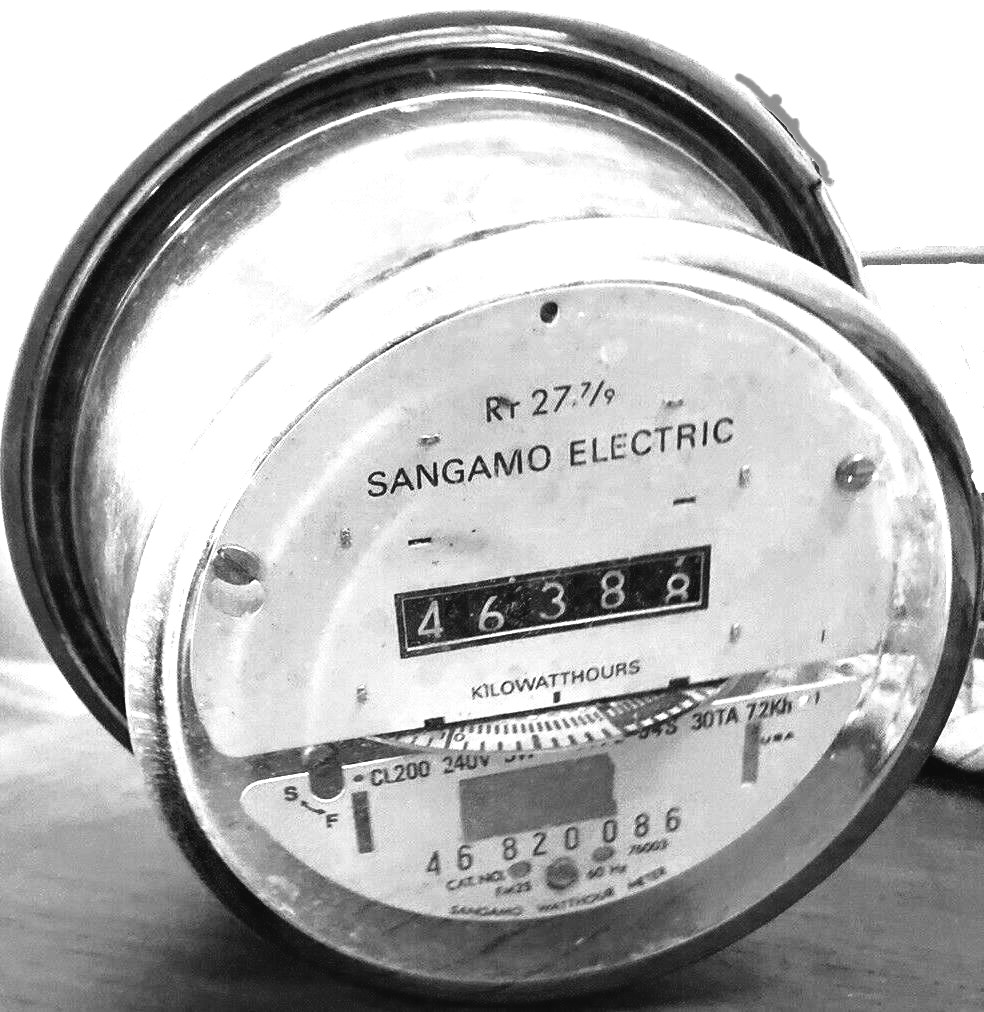
The Sangamo Electric Company began at the end of the 19th century. It started as an offshoot of a clock company. Early products were electric watt‐hour meters. By WWII, it had developed into anti‐submarine sonar. It also included capacitors, which are common electronic parts. By the end of the war, the company employed over 3,000. In 1958, the company was led by Charles "Chick" Lanphier. He played a key role in developing sonar for the Navy during WWII. Lanphier was often referred to as "Mr. Sonar." Sangamo needed help with its new sonar recorder design. They heard about Hare's skills in making recorders, so they asked him to assist in the completion of the design.
This kept Hare's company busy for a while. Early in December, Chick offered to buy Hare's company. The Hare Company struggled under Cinerama's ownership. Hare thought they would happily spin off Hare's company and reverse the stock swap and give ownership back to him. Cinerama liked the idea. On February 19, 1958, Hare bought back all 500 shares of G.C. Hare Company that Cinerama had acquired. The day the deal closed, Cinerama's stock had closed at $33, meaning that Hare bought his company back for $162,294.
Hare quickly sold his 500 shares again, this time to Sangamo. In return, he received 4,918 shares of Sangamo Electric Standard stock. Hare and Chick had many oral agreements about the operation of the Hare Co. going forward. Hare would stay in charge of his company. Chick said they wanted Hare's experience in designing and making recorders.
For the next year Hare and his engineers worked with the Sangamo engineers. Hare would get extremely agitated when the design engineers covered ground he had explored before. At one point during an engineering meeting he said "Damn it, I told you I tried that before and it didn't work. Why in hell do you insist on spending months and money when all you are going to do is prove me right?"
Late in '58, Chick asked Hare to come to Springfield, Illinois, the company's headquarters, for a conference. Chick wanted to have Hare move his operation to Springfield to save money. Hare noted that their agreement stated if his lab ever moved, it would go to a location he chose. Chick gave in as Hare made it clear that he would not move to Springfield, as he did not like the climate. This discussion prompted Hare to consider carefully where he wanted to relocate.
Charlie Litton, a fellow Stanford alumnus, offered to rent space in his Grass Valley plant, as noted in the previous article. Litton's building had room to spare.
Hare spent many days in the Sierra foothills near Fresno while growing up. So, he was excited to return. He and Hazel flew out. They were impressed by the area. Then, they returned to New Canaan and gathered his employees. They wanted to know how many would relocate. Ruth Kuntz, Ken Bauer, Roy Hamme, and Paul Faynor all agreed to move. These were his key people. Hazel flew out to help the employees who were transferring find places to rent. It was not an easy task.
Grass Valley was a quiet town. It had no industry, except for Litton's small operation. The last major mines, Empire and Idaho‐Maryland, closed during WWII. They had brief, shaky operations after the war, but eventually shut down for good. The local economy was struggling. The unemployment rate was one of the highest in the country.
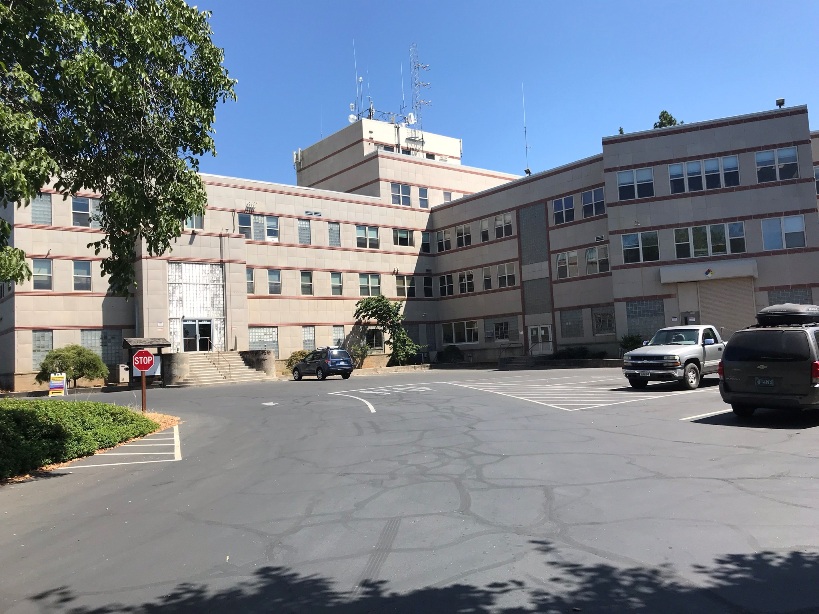
Hare and Company started out renting 5,000 square feet from Litton. Sangamo moved Hare's plant machinery and office furniture, even bookcases. When Paul Faynor got most of the machines working, Hare was called back to Springfield. They needed to discuss recorder development. Hare took Charles Litton with him. They met with the Sangamo top brass. At one point in the meeting, Chick and a few top members stepped into a nearby office. The Sangamo team was impressed by how Litton managed the meeting. Despite Litton's expertise in vacuum tubes, the recorders were now designed with transistors. They chose to put Litton in charge of the recorder development program. They believed he would be better at keeping costs down than Hare.
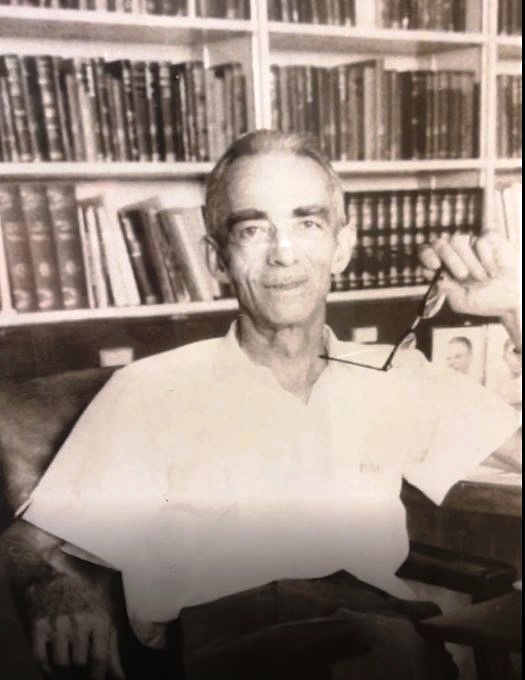
When the meeting reconvened, Hare was told about the decision. Needless to say, Hare was quite upset and demonstrative in opposing it. Hare would still manage technical development, he was told. However, since Hare wasn't as familiar with finances, Litton would control the budget. Litton had once run a large company before selling most of it off and moving up to Grass Valley. Hare replied that they couldn't teach him about finances since he had sold his company twice. Some present feared the meeting would come to blows. Hare suggested firing him, and they agreed. However, he would still be a consultant for $50K a year. When they agreed, Hare countered at $75K. Chick said he thought it was 50. Hare said it went up. After all that had transpired, Litton ultimately told Chick that he did not want the job.
This started the first fissures between Litton and Hare. But immediately, his displeasure with Chick and Sangamo was far worse. So Hare formed a new company, The Grass Valley Group. He kept most of the H.G. Hare employees, including those from Sangamo. He also bought the Sangamo equipment in the Litton building for a bargain.
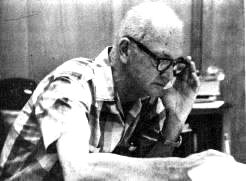
When Hare and the team thought about a new name, they noticed they often called themselves the "Group." Seeing that they were in the town of Grass Valley, they became the Grass Valley Group, GVG for short. Over the years, employees and customers have often referred to GVG as the "Group." Some still use this name today.
After many tries to resolve issues with Hare's new Grass Valley Group, Chick and Hare came to an agreement. Sangamo gave the new company a contract to keep developing the recorders. Eventually, Chick was put on the board at GVG. Despite their different backgrounds, they were both intellectually gifted. They became friends again and stayed that way until Chick passed away in 1978.
Hare's new company continued to be plagued by scrounging for enough work to stay viable. The Sangamo contract helped, but now Hare went back to an earlier source of work. He contacted Wentworth Fling, whom he had dealt with at Cinerama. The timing was perfect. They wanted to build more theaters, so they gave GVG a $400K contract to supply amplifiers.

x
