
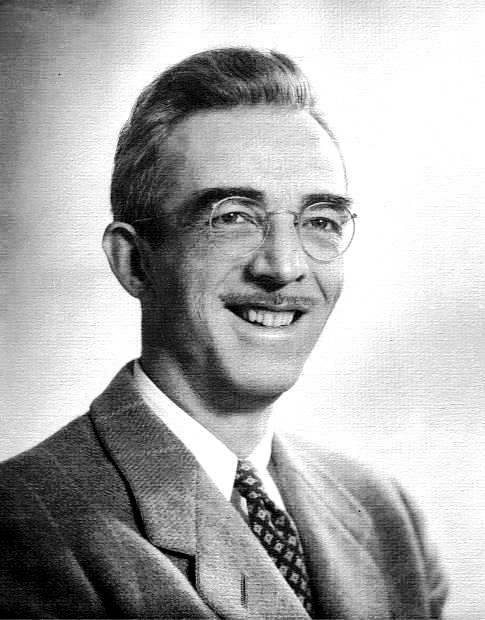
Litton was born in San Francisco in 1904. He grew up in nearby Redwood City. He took an interest in radio transmission growing up. The Bay Area was a hotbed of early ham operators. Litton attended the California School of Mechanical Arts in San Francisco after high school. Then, he earned a mechanical engineering degree from Stanford when he was just 20. A year later, he tacked on an electrical engineering degree. He would gain a reputation for his mechanical prowess for the rest of his life. In his last year at Stanford, he became interested in vacuum tube design and fabrication. He went on to receive a master's degree. His thesis was about demountable vacuum design. That's a fancy way of saying you don't have to scrap the entire vacuum tube when it fails. You only need to replace the broken part. What usually fails in tubes are filaments and the cathode.
After his studies, he worked as a research engineer at Bell Telephone Laboratories in New York for two years. In 1927, he returned to California to join the Federal Telegraph Company. He eventually led tube engineering there. Litton tried new methods and materials to make vacuum tubes. He also created the first practical glassblowing lathe. Cecil Howard Green, who would go on to be a founder of Texas Instruments, worked for Litton during that time. During the depression, International Telephone and Telegraph (ITT) acquired Federal and moved its facilities to New Jersey. Litton stayed in California.
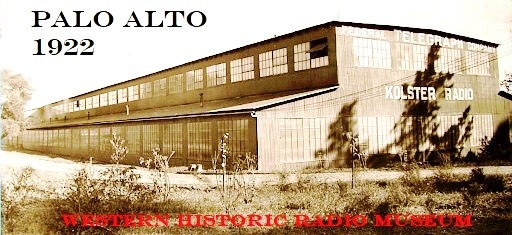
The Federal Telegraph Company began in the Bay Area in 1909. It played a big role in early radio development. Lee De Forest, the vacuum tube inventor (there is some dispute about that), worked there early on. Federal eventually became part of IT&T, which prompted the move to New Jersey over time. Litton kept experimenting in a shop on his parents' Redwood City property. He used his savings to start Litton Engineering Laboratories there in 1932. The company offered him a framework. This allowed him to keep his research, development, and production of equipment for the vacuum tube manufacturing industry going. This company, like his other businesses, followed his personal philosophy and ideas. His policies shaped how the company operated. Charlie Litton, Jr., one of Litton's two sons, said, "My father always said there are three ways to do things: the right way, the wrong way, and the Litton way." He usually found a better way to do things in an innovative way.

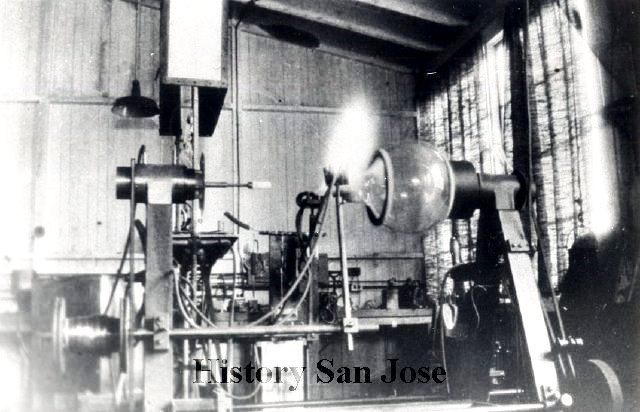
Litton Industries was a pioneer in the development of vacuum tubes especially high powered ones.
The center photo is of a relative of the vacuum tube called a magnetron. It is still used in high power microwave signals
On the right is a patent diagram for a "demountable" tube, which Litton helped develop.
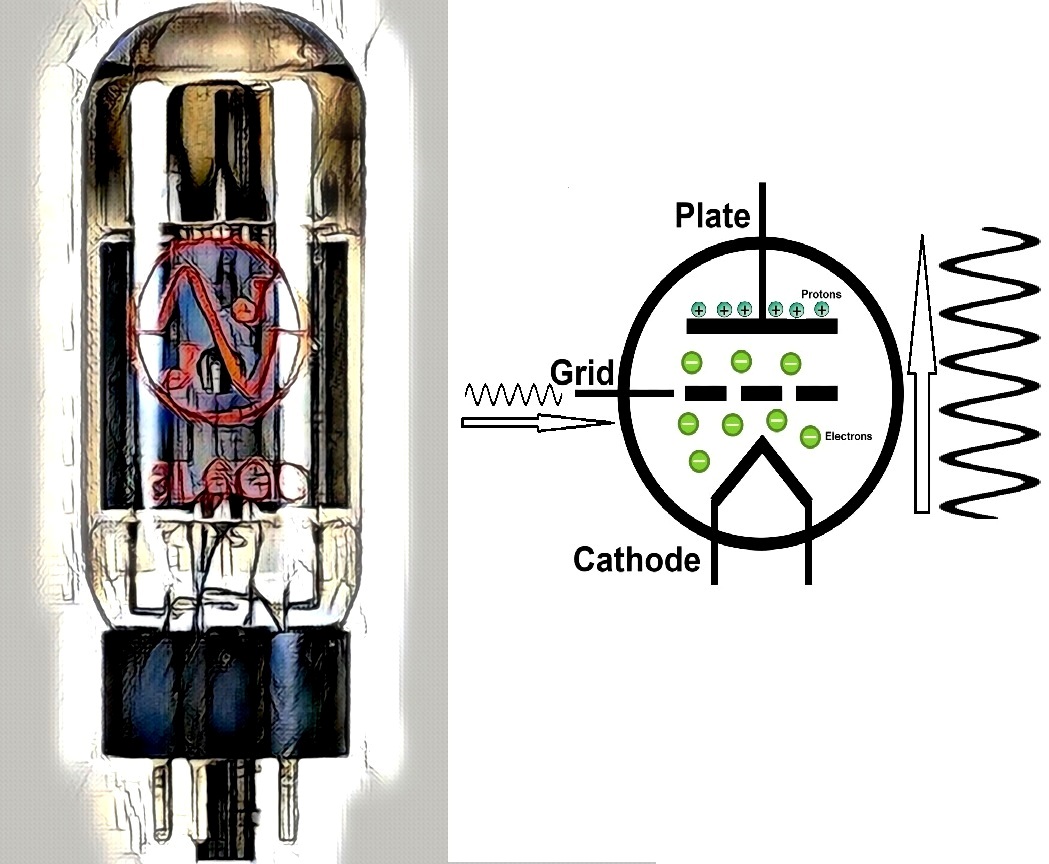
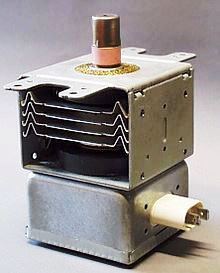
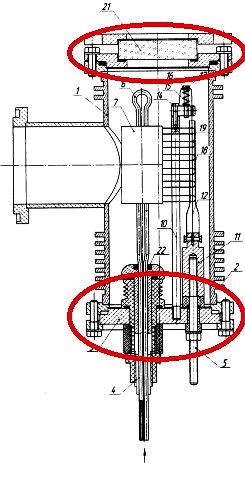
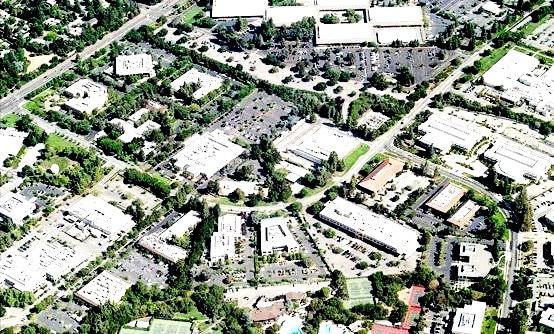
Stanford‐educated engineer‐entrepreneurs helped lay the foundation of Silicon Valley. Litton was one of those. In the 1930s, he developed machines for metal and glass work. These machines allowed the mass production of vacuum tubes. This met the growing needs of the radio industry. His company provided tooling to RCA, Eimac, and others. The company established a reputation for precision manufacturing equipment. His company made magnetrons. These were crucial for radar and microwave tech in World War II. The outbreak of WWII brought massive demand for radar and microwave technology.
In 1936, at Fred Terman's request, Litton helped nearby Stanford create a tube research lab. Terman recommended Dave Packard, the P in what became known as HP. So, Litton funded his assistantship at the lab. Terman is widely credited with being one of the founders of Silicon Valley. In 1951, he persuaded Stanford to lease some of its land. This decision helped form what is now known as Stanford Research Park. Companies like Varian Associates, HP, GE, and Xerox are among 150 firms in 140 buildings. They provide jobs for 23,000 people. Terman always encouraged his students to go off and start their own businesses. This philosophy and the business park helped launch Silicon Valley. It began in Palo Alto and spread south to San Jose, north to San Mateo towards San Francisco, and around the south bay to Fremont and Hayward. Litton's company, a little north of Stanford, was part of that genesis.
In WWII, Litton assisted Raytheon in creating the magnetron. This microwave‐generating tube improved radar range when the U.S. needed a defense boost. In 1942, Litton, while running his own business, went East. He spent two years helping the Federal Telephone Company in New Jersey. His focus was on making high‐frequency radar tubes. Litton Industries became a key player in the defense industry by leveraging expertise gained during the war.
In November 1945, a fire destroyed the Litton Engineering Laboratories' manufacturing plant and development labs. This led to the vacuum tube part of the business splitting off. It then moved to San Carlos, California, and became Litton Industries. The military preferred Litton's vacuum tube products. So, this part of the company sold them only to the Department of Defense. Litton Engineering Laboratories continued to manufacture glass working machinery and equipment.
Litton Industries took on large U.S. Navy and Army contracts. Staff numbers and production volume were rising fast. At that point, Litton managed a major defense supplier. The company expanded into microwave tubes, klystrons, and unique electronic parts. This includes products for military and civilian markets. Litton Industries becomes a sought‐after contractor during the Cold War build‐up.
Administrative complexity rises. Litton focuses more on corporate management and less on direct invention. The Korean War further raised defense spending. As a result, the company grows and goes beyond Litton's ideal scale.
Managing a large manufacturing company involves having a clear structure. It also needs effective marketing teams and strong financial management. This is far removed from Litton's inventor roots.
Tex Thornton is an ambitious industrialist. He plans to create a large defense conglomerate. Now, he makes an offer to acquire Litton Industries. Litton spots a chance to cash out while the market is strong. Then, he plans to return to small‐scale engineering.
In 1953, Litton sold Litton Industries to Thornton's group. They kept the name and turned it into a major conglomerate.
Charles Litton kept Litton Engineering Laboratories, a small, private shop. They specialize in custom glassworking equipment and research and development. Eventually, this operation relocates to Grass Valley. But as we are about to see, there were obstacles to overcome.
So, we are now close to what transformed the Grass Valley area into a high‐tech area. This part of the story is a one‐two punch, or kickstart, by two men who came to town a few years apart. Both were California natives. They both loved the Sierra. They were both Stanford graduates. The first was Charles Vincent Litton, Sr.
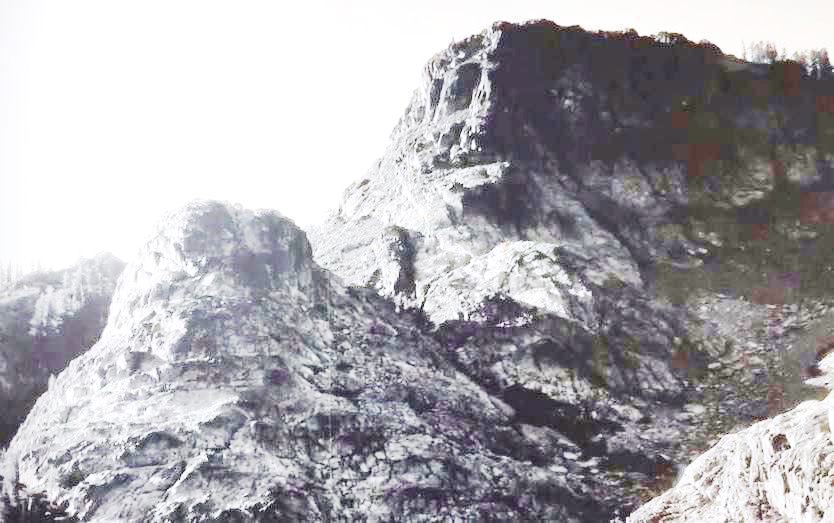
Litton's company restructuring traces back to 1949. During a trip to Jackson Lake in the Sierra, he fell in love with the place. So, he decided to buy one of the few houses there. Paul Burns was a lifelong friend of Litton who had gone to school with him. Burns had a place in Graniteville, a small settlement also in the depths of the Sierras. He knew of property at Jackson Lake by nearby English Mountain. Litton wanted solitude and that place had it. It was, and still is, 10 air miles to the closest highway and any civilization. Many of the roads in the area are glorified jeep trails. Charles Litton Jr. remembers how much his father loved nature. He shared this passion with the whole family. "He wanted to move the company to the closest civilization to that spot," Charles Litton Jr. said. "He always loved the mountains, and it's a place our family still visits to this day." He commuted from the Bay Area up to the lake until 1953.
He started thinking about how he could work closer to the lake. That opportunity presented itself when Thornton offered to buy the Litton Industries part of his business. What he sold was the mature part. Tubes were being replaced by transistors and other devices. Even though today, specialized tubes are still used daily. They are often needed for high power situations in satellite, broadcast, and microwave transmission.
Litton kept the glass‐making lathes part of the company. They would still be needed for other glass projects. This wouldn't take up all his time, so he could return to research. He knew that he had to find a place where he could set up a modest manufacturing site.
The three nearest towns were Truckee to the southeast, Reno to the east, and Grass Valley/Nevada City to the west. Although Truckee was the closest to the site, it was still rather isolated at the time. Also, its winters can be brutal. See the Donner Party, as Truckee is adjacent to Donner Lake. Reno was not seriously considered, so that left Grass Valley/Nevada City. The winters here were milder. The two towns are at 2400 feet. In contrast, Truckee is at 5800 feet, and Reno is at 4500 feet.
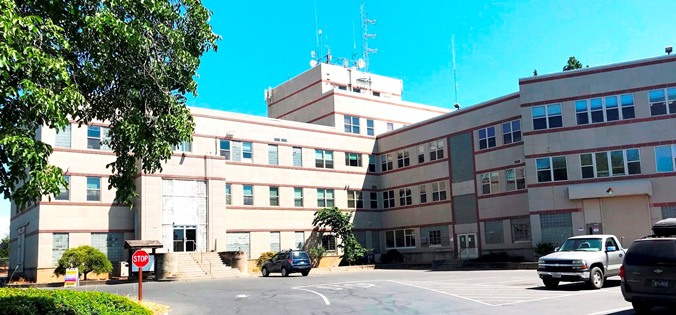
See previous article for background on the this building
Grass Valley had one more trait. It sees much less snow in winter. Plus, there was a big, empty multistory building on Shaw Hill, north of Grass Valley. This building was unfinished and not yet ready for occupents. Litton thought it could be had for a song. Many locals thought differently.
The move was unusual. Instead of an industrial park, the building was in a semi‐rural area. Its past as a would‐be hospital got people talking about how to reuse it. Even though large gold mines like the Empire and Idaho‐Maryland were still active, some locals had concerns about Litton's project. While people understood mining impacts, both good and bad, it was "part of the deal" of living in Grass Valley.
Some of it was perception. While mining wasn't quiet or non‐intrusive, mining was old, familiar, and on the decline. "Light manufacturing," as Litton framed his company, was unfamiliar. Some locals might have associated it with urban industrialization. It didn't matter that Litton's glassworking machinery was relatively clean; high‐temperature furnaces and equipment can sound industrial and "factory‐like" to residents. It likely sparked fears of smoke, noise, and traffic for some. Residents may have thought a new factory would bring more truck traffic, longer shifts, and potential air emissions from furnaces and glasswork. Postwar rural towns sometimes resisted high‐tech industry for fear it would change the small‐town character.
Some argued that if Litton took the unfinished building, it would cost the community a potential civic space. Some saw the unfinished hospital as a public asset. They believed it could be completed for medical use one day. Part of the opposition was simply the worry about changing the community's identity. Some people didn't view "high tech" as a clean, skilled industry. They worried the town would turn into an industrial park instead of a residential area or tourist spot.
The resistance focused more on cultural identity than environmental impact. It stemmed from fear of industrialization and the symbolic repurposing of a community landmark.
Litton said the operation would remain small. It would hire skilled technicians, machinists, and glassworkers. Many of them local hires from the mining trades.
The "Litton Building" would be one of Grass Valley's first industrial facilities. It serves as a bridge between the county's gold‐mining history and its future in electronics.
Eventually it was clear that Litton provided a path forward to build a new hospital. He would pay $200,000 for the building, which he did in 1954. MacBoyle pledged $200,000 from dividends on his mining stock, as you may recall from the last chapter. But the two matching values appear only coincidental. With inflation, the Hospital Association lost some money. However, it was sufficient, along with other funds, to construct the Sierra Nevada Memorial Hospital in 1958. That facility is a couple of blocks to the south of the first attempt. Litton finished out the building into an incredibly unique facility.
Litton started English Mountain Ranch, Inc. to manage the new building and real estate. He then moved Litton Engineering Laboratories into his renovated facility in Grass Valley. The building stands on what now is Litton Drive, only a block away from the Grass Valley campus of the junior college.
The trip from Jackson Lake to Grass Valley could take almost two hours by road, even in nice weather. That's why Litton got his helicopter pilot's license. For many years, aeronautical maps marked heliports at their house and close to the Litton building, which now has a baseball diamond.
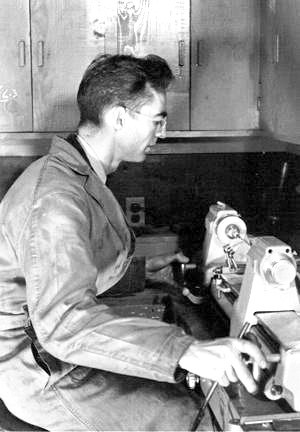
Requests for Litton's help did not stop rolling in. He had an important role with Fairchild and their development of ICs. Fairchild couldn't make the seals for the ceramic around the internal circuitry work. Litton pioneered sealing metal and glass for vacuum tubes. This made him valuable in the material science of new technologies. He took on a contract for Fairchild. Where the packaging engineers seemed to be getting it wrong the most was in the cleanliness of the process. In this way, Litton helped make the planar process possible.
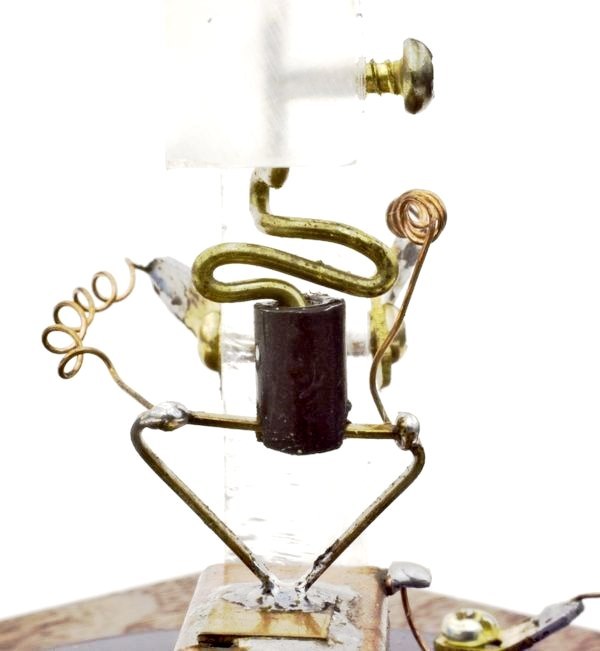
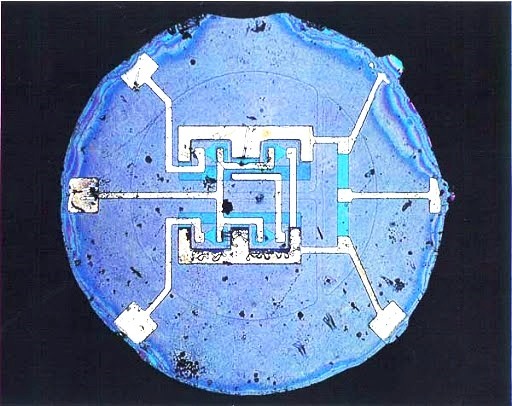
Litton had the reputation that when anyone had a process problem, they came to see him. Soon Robert Noyce, who would go on to be a founder of Intel, was etching complex circuits, not lots of identical parts, onto silicon at Fairchild. Litton helped him get the packaging right. In 1961 Fairchild shipped its first IC. Over his lifetime, Litton held 65 patents on various high‐tech innovations. The U.S. Defense Department asked Litton to return to making magnetrons. He could build strong, small ones that fit in satellites and handle rocket launch stress.
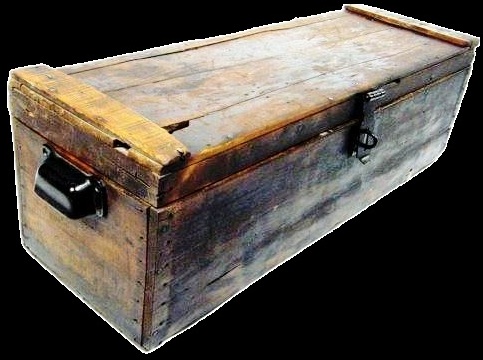
Charlie Sr. has two sons and a daughter. The two sons literally grew up in the family's business. Larry, the younger brother, remembered that on his 10th birthday, their dad had a surprise for him. Larry had all kinds of expectations. He was given a box. Turns out the box was just a platform for him to stand on. Senior said, "Now you can learn how to use a drill press and other machine tools." The brothers took carpentry lessons after school from their dad's employees. They also got foundry lessons. An employee, Gordon Crane, was kind of in charge of their industrial education.
When they were 14 and 15, their father wanted to know if they were going to take over the business. Not knowing any better, they said, "Sure."
Their father hated that students from Nevada Union High School could earn good grades yet still fail at Stanford and other colleges. He decided to send Charlie Junior and Larry to Menlo School in Atherton, on the San Francisco Peninsula. Menlo, as it is known, is a college preparatory school. Charlie Junior had completed the ninth grade and Larry the eighth at local schools. They both failed the entrance exam. Larry thinks they did that on purpose as they did not want to go. So, for them to go, they would both have to go through the ninth and eighth grades again, respectively. While they had boarding for ninth graders, eighth graders they did not. Charlie Junior went four years to Menlo, and for some reason, Larry never went and ended up going to the local high school, Nevada Union. Charlie Junior said he was glad he went to Menlo.
Menlo was a prep school aimed at Stanford, but Charlie Jr. lacked the extracurriculars Stanford desired. So, Stanford said to go anywhere else and get the basics, and they would let Charlie Junior in as a sophomore. Instead, he went to the University of Colorado and majored in electrical engineering. Colorado was a better climate for his bronchitis, so he never attended Stanford. Although Charlie Junior said he did not want to come back to Grass Valley, he ended up doing so in 1970. Larry came back in 1974.
In 1968, the parents moved to Nevada. They were fed up with California. They bought property from Bill Itel in Dayton, near the Carson River, about 35 miles southeast of Reno. Bill founded ITEL in '67 to lease IBM mainframes. Ten years later, he joined forces with National Semiconductor and Hitachi to sell IBM‐compatible mainframes. Eventually, National took over ITEL.
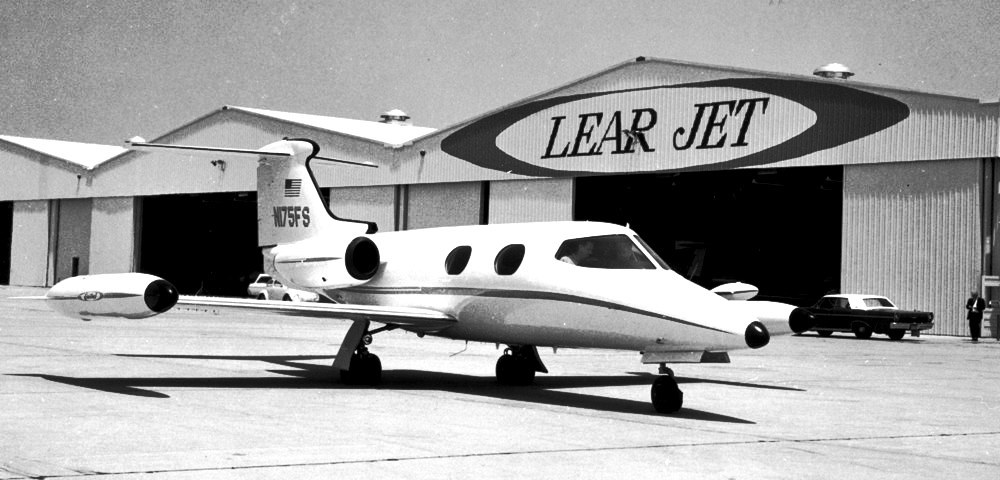
Senior first moved manufacturing and inventory to Stead Air Force Base. They temporarily rented space from Bill Lear, of Learjet fame. They both ran in many of the same circles professionally. Litton's precision tube and microwave tech went into radar and communication gear for aircraft. This was the type of systems Bill Lear was putting into cockpits. During and after WWII, both worked in sectors related to advanced electronics for aviation. Aviation electronics was a small niche. Many radar and avionics innovators often knew each other, even if they didn't work together.
Parts were still made in Grass Valley and then assembled in Nevada. Manufacturing left Stead and moved to the land Litton bought in Dayton. He had a building erected and moved operations into it.
But Litton Sr. had an aneurysm in 1968 that was repaired, but he never did give up smoking. In November 1972, he had a coughing fit and re‐ruptured the aneurysm. The fix applied in 1968 was a Teflon mesh, much like Chinese handcuffs. It broke. He ended up in the hospital, needing blood transfusions, and he went into a coma.
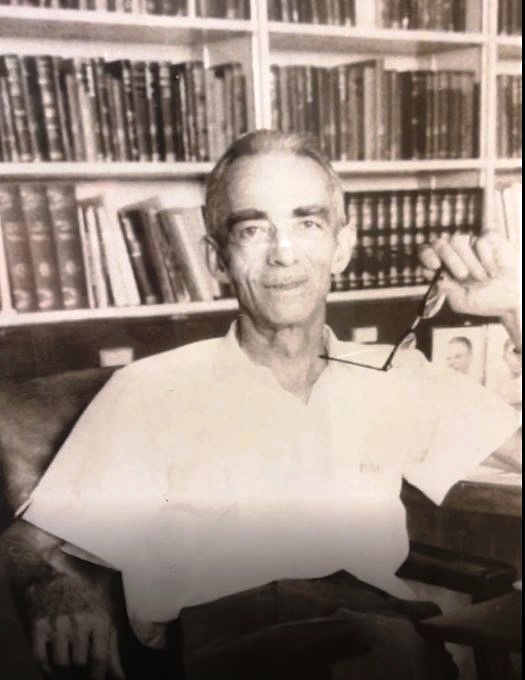
When the rupture occurred, Charlie Jr. left Grass Valley in a fierce snowstorm. It took him quite a while to arrive in Nevada. Larry left at the same time from San Luis Obispo and got to Paso Robles, where he got stopped for speeding. He told the cops what his situation was, and they then gave him an escort to Davis. There was a new escort to Auburn where traffic was stopped because 80 was now closed due to the snow. The state plowed 80 just for him. He got to Nevada and Nevada troopers got him the rest of the way. Larry believes they did this to save a life. That life belonged to a well‐known and respected engineer and entrepreneur. Larry had his father's blood type, which was O negative. An O type recipient can only receive type O blood. He arrived too late after the heroic efforts, and Senior died on November 14, 1972.

After senior passed, the family had a meeting and no one wanted to move to Nevada. So, they sold the Dayton property, and moved all the company's operations back to Grass Valley. Charles Jr. and Larry carried on in their father's entrepreneurial spirit.
Larry was in the service for four years. Then, he went to Cal Poly. He focused on machine design and took a minor in electrical engineering. He also studied mechanical engineering and metallurgy. But he never graduated, having a few units left.
Larry set up one of the first ISPs in the area before DSL or ISDN. so he could have high‐speed connectivity. He sold the service to others. Larry was not looking to make money; he just wanted good connectivity. Internet connectivity is still an issue in many parts of the Grass Valley and Nevada City area. Larry also got involved in producing oscilloscopes with a partner.
Litton Sr. was a central player in the electronics industry. Not only in the Bay Area, but as we have seen, it continued up in Grass Valley. David Packard once said that Litton was the best engineer he knew. When the Littons lived in the Bay Area, a neighbor was Alexander M. Pontiatoff. He founded Ampex; the name is an acronym for his initials, with the EX standing for Excellence. His company invented the VTR. For many years, Ampex competed with Grass Valley Group in a few areas. Litton's sons occasionally visited Pontiatoff in honor of their father. The Litton sons would later host Ampex alumni. This connection helped spark early advances in the video game market. As we'll see, it's a small world.
Litton Sr. pioneered communications between Grass Valley and Jackson Lake. He set up the first high‐frequency radio link from Grass Valley to a mountain near his home. Then, he ran phone lines down to the house. He had periodic trouble with tree sap shorting out the line. Litton, for a while, was on the Nevada County Planning Commission. Part of his interest in being on the Commission was that he wanted AT&T to provide signal‐to‐noise parameters for his phone line after they installed service at his remote home. As we are about to see he had other reasons to be on the Planning Commission.
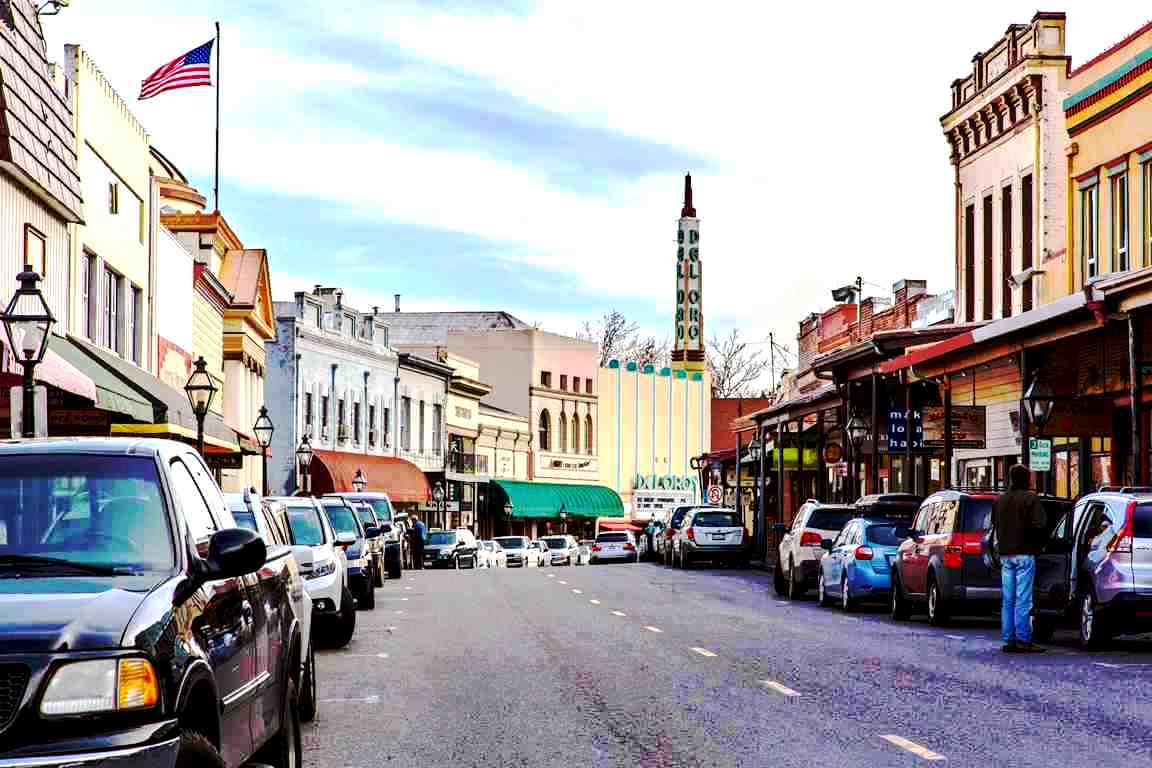
Litton had a pronounced effect everywhere he went. He began in the Bay Area as one of Silicon Valley's original founders. His impact grew even more in his adopted home of Grass Valley. He brought new business to the area. Soon, we will see how he not only established his company but also attracted other high‐tech ventures to settle in the area.
He went to work, trying to help the community as soon as he had set his sights on the hospital building. As already mentioned, he was met with opposition to him setting up shop, especially in that empty building.
He wrote a long letter to the County Supervisors stating his case. "It has long been my opinion that communities such as Grass Valley and Nevada City could greatly benefit from diversification of industry endeavor. Most such communities cannot provide opportunities for their younger citizens." Continuing, he said, "Providing such an industry at this time if successful‐might well lead to other complementary light industries following suit, thus providing more opportunities than we alone could hope for."
Part of the problem he faced was the existing lumber industry in the area. These mills burned slash and sawdust in giant incinerators. This burning produced quantities of smoke that were often trapped in inversion layers for weeks on end. There was at the time a wave of retirees settling in the area. The newcomers found this very objectionable. They wanted to cut it down by limiting lumber production. This, along with a few struggling gold mines, was all that kept the local economy alive.
In his letter, he proposed a radical new way to plan. His main idea is that we should use measurable amounts of hazard or contamination as the basis for planning control. He argued that this is better than the current Western practice of zoning by type, no matter the actual hazards. The engineer in him recognized that you design living, business, and shopping spaces based on quality of life results, not fixed plans.
His long letter led to his appointment to the Planning Commission. This gave him a chance to put his philosophy into action. He contacted Bell Labs. He asked if they had any tools to monitor environmental problems like smoke, noise, and traffic. This was well before such technology became widely available.
In 1954, he reached out to Monsanto Chemical Company. He sought their assistance in developing new products from the waste created. Rather than regulating the lumber mills out of existence, Litton sought other uses for the mill waste.
Litton's insight was well ahead of its time. Engineered wood took off in the 1960s. Today, wood chips from Nevada County are shipped to processing plants all over the globe. Litton was less successful at social engineering. Litton resigned from the Planning Commission in 1961. He was frustrated by his slow progress in introducing new methods. His own company faced growing business problems, adding to his decision. One of his problems was his first tenant. We will explore that in the next chapter.
As mentioned, his commute to work often was via helicopter. He owned an early Bell Ranger and because of his interest in helicopters he built over 100 helipads in the area. He developed a way to carry firefighters and their gear underneath his helicopter. He flew many missions himself.
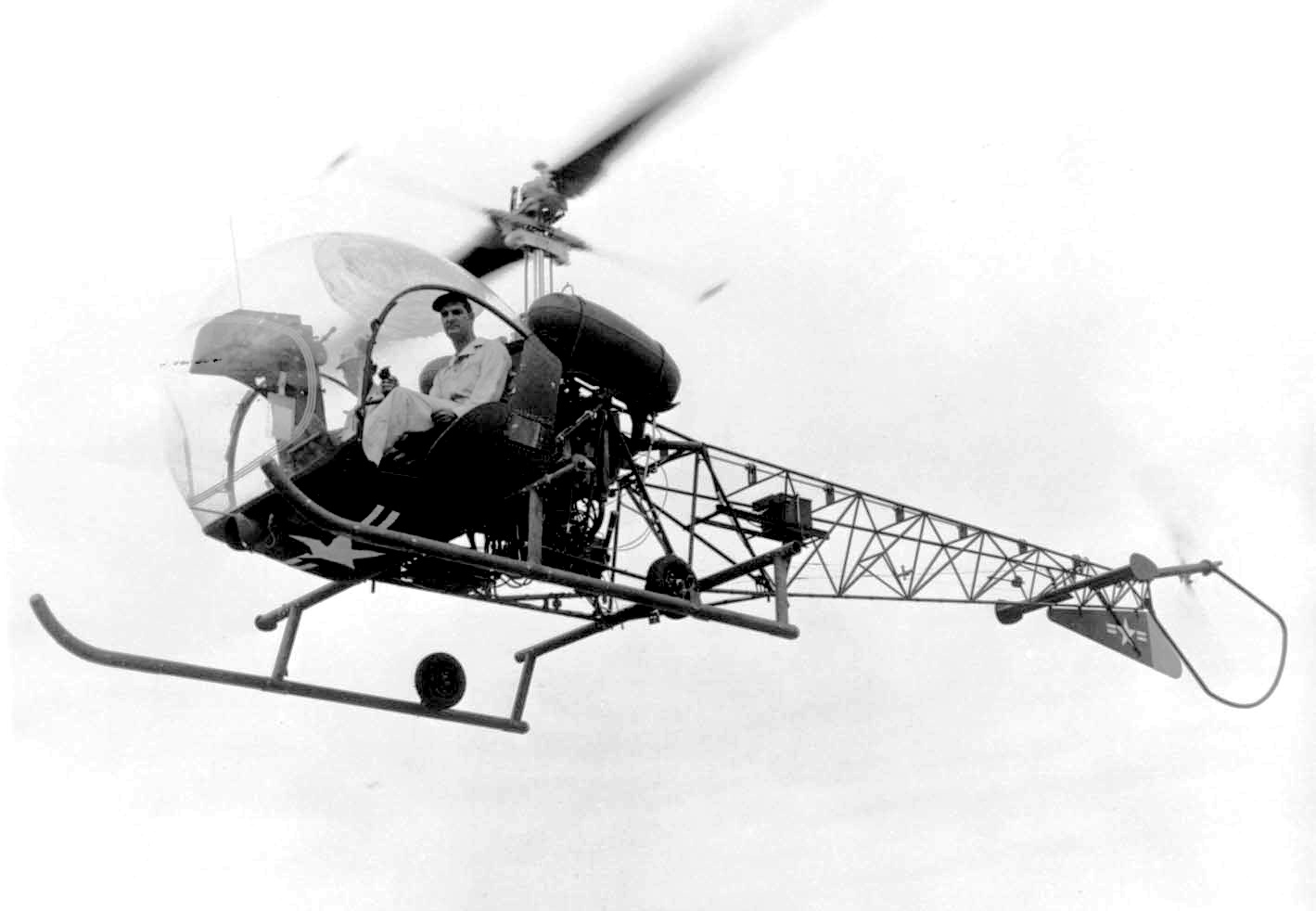
In 1955, Litton bought the airport that MacBoyle had built on his estate and refurbished it.
(See last chapter)
Litton spent $10,000 to repair the runway. It hadn't been used since World War II began. During the war, civilian flying within 150 miles of the coast was banned. Also, the main user of the airport, MacBoyle's mines, were shut down. In 1941, the Army Air Corps briefly used the field for squadron training, then left. The airport was reopened in 1956 and renamed the Loma Rica Airport after MacBoyle's ranch. Litton gifted the airport to Nevada County that same year. Today it is known as Nevada County Airport and is home to over 140 aircraft and sees over 30,000 flights a year. Cal Fire has several aircraft involved in battling the yearly forest fires in the state based there.

In 1958, Litton Sr. and a partner started Loma Rica Business Park at the airport. The original idea was similar to Cameron Park Estates. This community, located about 50 miles south, was built around an airport. It features wide residential streets that allow planes to taxi to and from homes with attached hangars. People once claimed that more United Airlines pilots lived there than anywhere else. They could easily fly to work, landing at Hayward Airport, which is near SFO. United even ran a shuttle bus service from the airport, south of Oakland, across the bay to SFO.

Litton planned a community south of the airport. The roads would be 80 feet wide for planes. The lots would each be 4 acres. The lot was large enough so that you could have a hangar with your house. It did not go as planned. The owners started subdividing the four‐acre lots. Instead of homes, an industrial park sprang up.
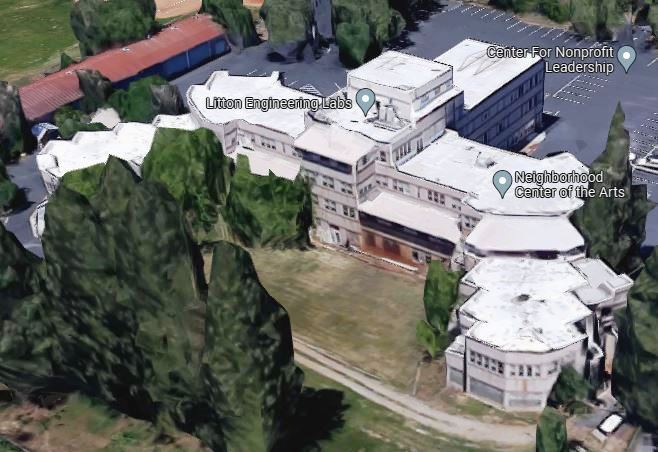
The family made the building their main home because English Mountain is quite remote. In addition to living quarters for the Littons, there were apartments for guests. The town did not have much in the way of hotels or motels in the early 1950s.
The Litton building is unique in several ways, besides its improbable birth and reuse. Frank Hanley, one of Litton's lawyers, believes the building may be the first modern condo. The building has three full stories and smaller fourth and fifth floors. The first floor houses Litton's manufacturing. The second floor is the Litton Engineering offices, with other tenants. The company doesn't own the building, as you might recall. The Littons control a holding company named English Mountain Ranch. It is the real owner. As mentioned earlier, English Mountain Ranch is the name of the Littons' homestead at Jackson Lake.
The third floor is interesting in that at one time it was the family's residence in Grass Valley. The building is T‐shaped with north, east, and south wings. The floor's south wing had living quarters. It also had extra apartments for out‐of‐town visitors in the north wing. In addition, Charles Sr.'s personal office and his machine shop were there at one time. The east wing had a studio of 1,800 square feet. There was also a side room for sound recording gear that caught Senior's interest. Carpets in this room could be rolled up and the room used as a multipurpose room. The carpets and curtains there were to deaden the room. Senior loved to take people into the room and crank up the volume of his audio equipment. Some guests could handle it, while some could not. In the corners he had large JB Lansing speakers. In the center, a couch invited guests to sit. Then, he would unleash the sound of a locomotive, roaring like the real thing as it barreled through the room.
It was also a great party room. Larry tells the story of hosting a Halloween party there when he was in high school. It was memorable enough that a teacher at Nevada Union High School told Larry's daughter about it.
Charlie Junior graduated from college in 1970. Then, he got married and lived in another part of town for a while. Charlie Jr. and his wife were expected to live in the building, at least while senior was around. After senior passed away, their mother relocated to Incline Village, Nevada. She didn't go back to California for estate reasons.
Charlie Jr. no longer has a room in the building. However, Larry and their sister still have their old bedrooms there. Most of the third‐floor living spaces are now offices. Parts of the second floor have also been rented out. In 2019, a land developer, a machine shop, a glassmaker, and a Christmas ornament maker were active in the building. The glass maker specialized in wine glasses and accessories. There are also a few government and community groups in the building.
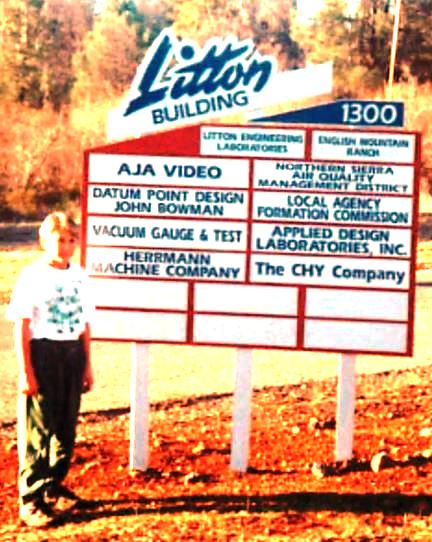
The first business incubators started appearing in the late '70s to early '80s. This was the start of a new way to support businesses. It includes resources such as office space, networking, and mentorship. Business incubation ideas started from past efforts to help new businesses.
In the next chapter, we will see how the Litton building acted as an incubator for the first time. This was 20 years before the often‐credited pioneers started. Litton's building isn't a typical business incubator. Still, it serves as a space that nurtures innovation and tech‐focused companies.
Besides Grass Valley Company being the first to come through. There were others. Later articles will cover most of these.
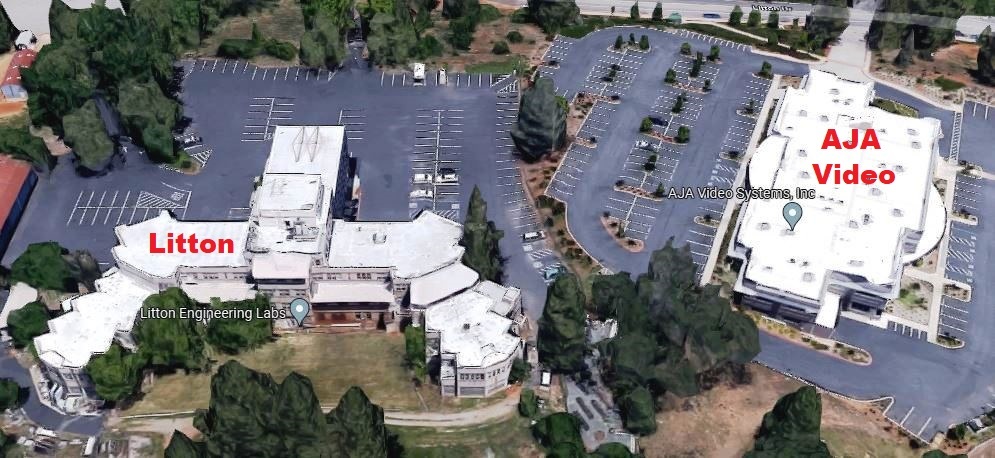
One of the biggest success stories, not only in the area, but in the television industry is AJA Video. It started in the Litton Building and literally grew up right next store
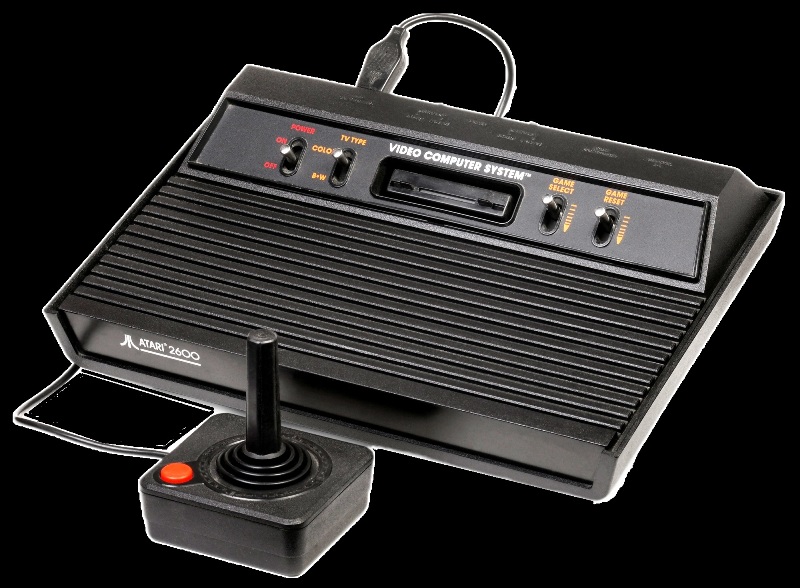 >
>Besides AJA (which we will look at in another chapter) other things that came out of the building; the Atari 2600 gaming console, the original video or "picture" phone, U.S. Robotics early modem, Grandma A.G Bear talking bear by Axlon in 1986, and the Hott Lixx gaitar, which won a "toy of the year" award in 1989.
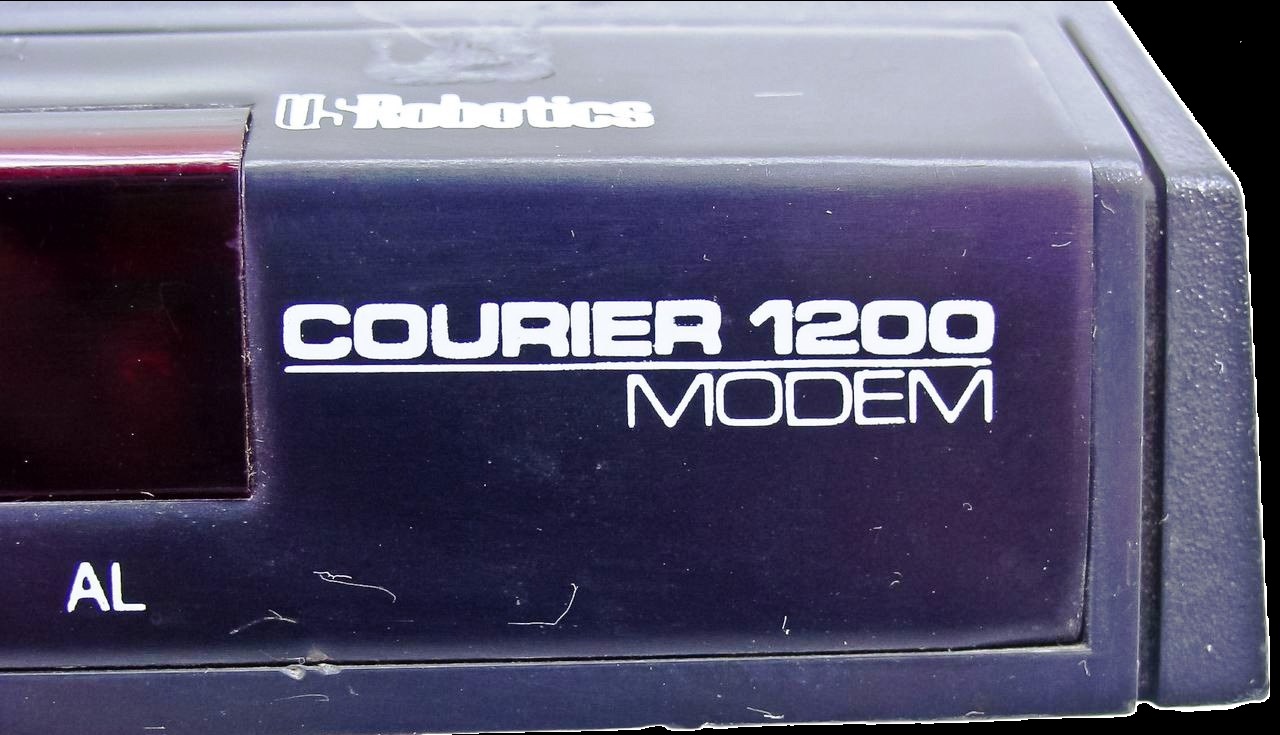
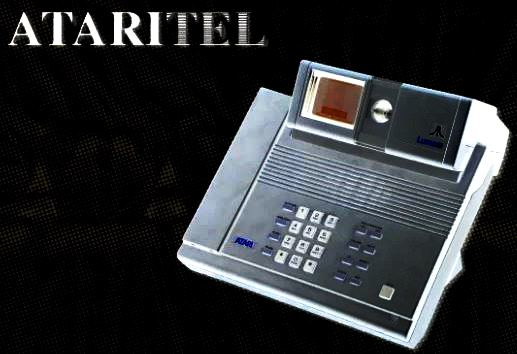

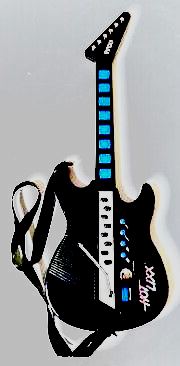
But these stories will come much later. As Litton Sr. had enough problems with his first tenant that he wouldn't rent out space again. After he passed, it was his children who created the space for several serial startups to get a foothold.